
Foxfire
1987
No user ratings available yet
Diversity score: 2.3 out of 10
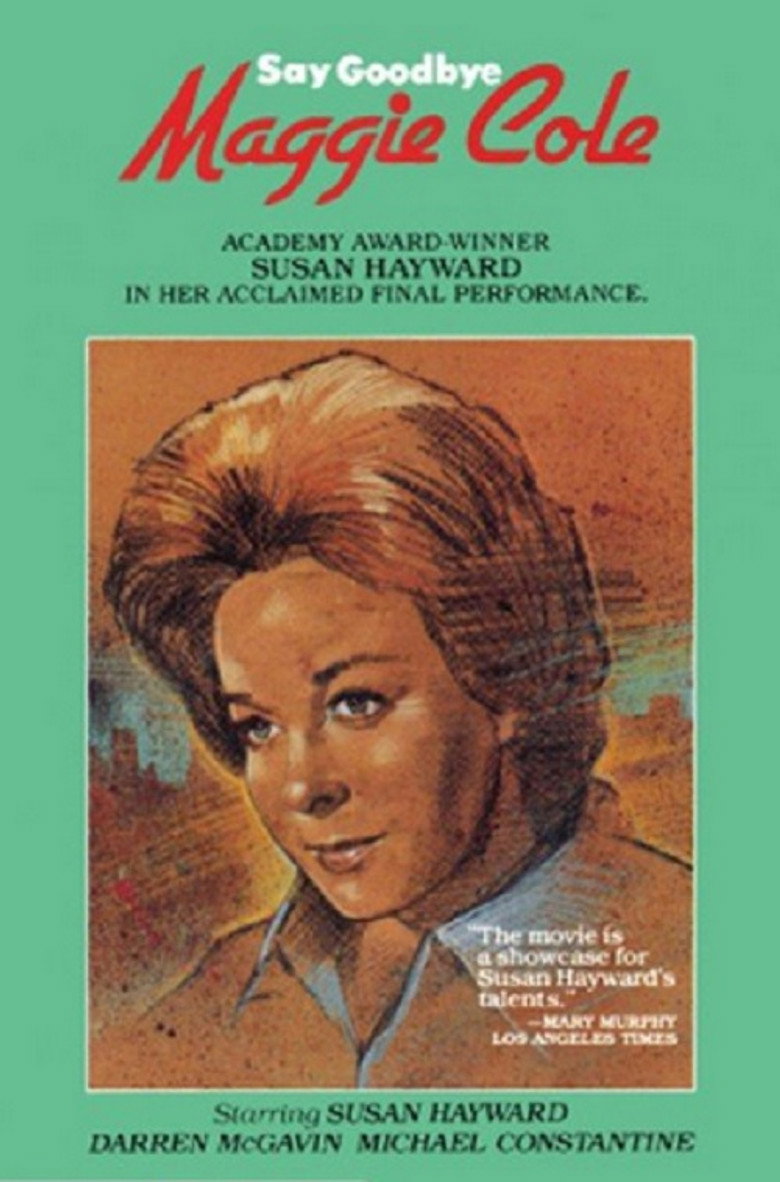
1972
NRDirector
Jud Taylor
Runtime
73 minutes
Average Rating
No ratings yetSynopsis
Maggie Cole is a research scientist who, after the sudden death of her husband, takes a position as an on-call doctor in an inner-city clinic. There, she must fight a battle on two fronts: against the medical conditions endangering her patients and against sexism toward a female doctor.
Overall Score
Fair
Category Breakdown
LGBTQ+ Representation
The narrative focuses on the protagonist's personal grief and professional struggles. There is no explicit evidence of queer identities or non-heteronormative storylines.
Gender Representation
The film centers on a female scientist navigating a male-dominated medical field. It explicitly addresses her fight against sexism, providing her with significant professional agency.
Racial & Ethnic Diversity
The inner-city clinic setting implies engagement with diverse urban populations. This choice suggests an exploration of class and race within the healthcare system.
Religious & Cultural Diversity
The story critiques institutional structures and systemic bureaucracy. It highlights the tension between individual expertise and the medical establishment's rigid social frameworks.
Disability Representation
The available information does not mention characters navigating physical or neurodivergent disabilities.
Strengths
Areas for Improvement
AI Analysis
Say Goodbye, Maggie Cole is a period-specific drama that explores the friction between individual agency and institutional rigidity. The film's primary strength lies in its subversion of professional hierarchies, positioning a female scientist as a central authority figure in a male-dominated field. The narrative uses the protagonist's transition to an inner-city clinic to examine broader social dynamics. This setting suggests an intersectional look at class and systemic healthcare challenges, moving away from more homogeneous, suburban storytelling common in earlier eras. However, the film lacks visible LGBTQ+ representation and does not provide specific details regarding disability. While it tackles gendered agency effectively, the scope of its diversity remains focused on professional and socio-economic struggles.
1987

1993

1996

2002

1999

1978

2019

1978
1992

1989

1969
1965
No reviews yet. Be the first to share your thoughts on this movie!
Use the rating form above to leave a star rating and optional review.