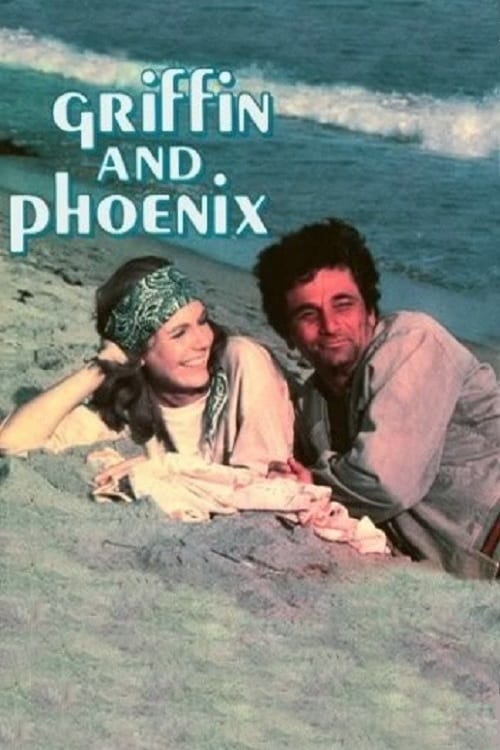
Griffin and Phoenix
1976
No user ratings available yet
Representation score: 5.0 out of 10
Representation Score
Limited
1973
Director
Stuart Hagmann
Runtime
74 minutes
Average Rating
No ratings yetNew Showbiz Analysis
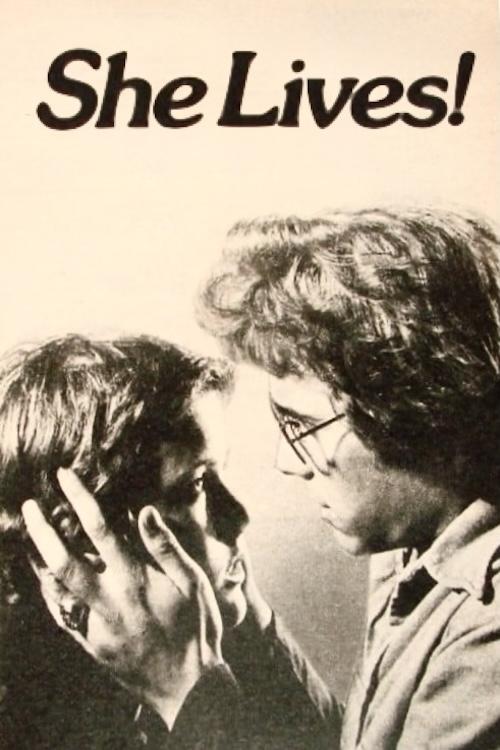
She Lives! functions as a conventional 1970s medical melodrama. The narrative follows a young couple's struggle against a terminal diagnosis, adhering to the established social norms of its era. While the film provides a central role for a female lead, it lacks multi-layered complexity. The themes lean heavily into traditional clichés of vulnerability and domesticity rather than subverting gender or social hierarchies. Ultimately, the film serves as a standard character study, lacking the intentional systemic subversion or diverse representation needed to move beyond a traditional, mid-century dramatic framework.
Category Breakdown
The film focuses on a young couple dealing with a terminal illness. There are no queer narratives or non-cisgender identities present.
A female protagonist holds the central role in this medical drama. However, the story relies on traditional clichés of feminine vulnerability and domestic struggle.
The available information provides no details regarding the racial or ethnic composition of the cast. Consequently, no assessment of racial diversity can be made.
The narrative aligns with conventional mid-century values regarding family unity. It lacks systemic critiques, focusing instead on individual perseverance and traditional emotional arcs.
The story centers on a terminal illness, which intersects with disability themes. The portrayal risks using medical hardship as a purely sentimental plot device.
Present on Screen
Limited or Absent
Official Synopsis
A young couple searches for the cure for the girl's terminal cancer.
1976
2001
1973

1995
1988
1995

2018

2021
No reviews yet. Be the first to share your thoughts on this movie!
Use the rating form above to leave a star rating and optional review.