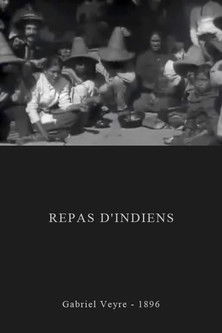
Repas d'indiens
1896
No user ratings available yet
Representation score: 1.9 out of 10
Representation Score
Limited
1896
Director
Gabriel Veyre
Runtime
1 minutes
Average Rating
No ratings yetNew Showbiz Analysis
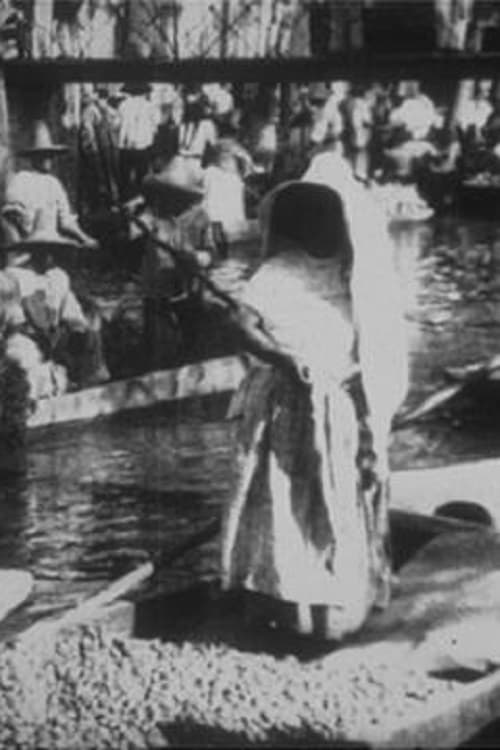
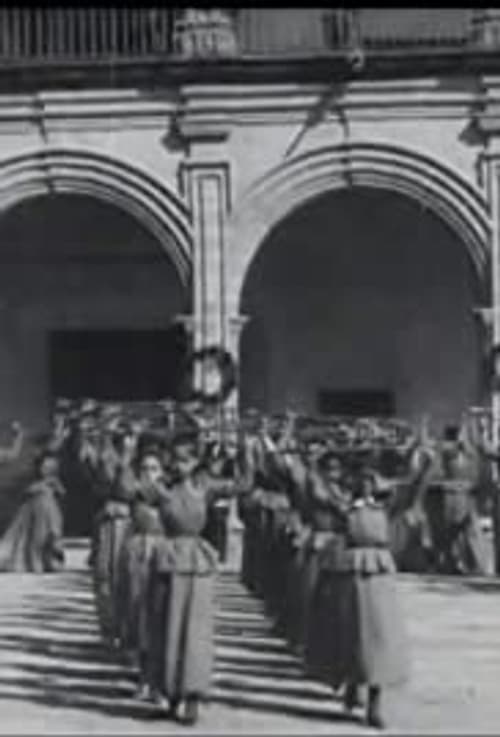
This early documentary fragment offers a unique look into indigenous life through a non-Western lens. By focusing on a Mexican procession, it challenges the Western-centric perspective common in early cinema. However, the film's technical limitations and observational style restrict its depth. The subjects lack narrative ability to act, serving primarily as visual subjects rather than characters with complex arcs or critical narratives. Ultimately, while the film provides meaningful visibility to indigenous populations, it remains a passive ethnographic record without engaging in deeper social or cultural critiques.
Category Breakdown
The film does not depict any non-straight relationships or gender identities. It focuses on a public procession without any queer subtext or exploration of gender identity.
Gender roles are not a central theme. The footage captures communal movement without actively challenging or reinforcing specific gender hierarchies or roles.
The film highlights indigenous populations by centering a non-Western procession. However, the subjects are observed rather than portrayed as driving forces of a plot.
The work serves as a neutral ethnographic record of local traditions. It does not explicitly critique Western institutions or traditions.
There are no characters with visible or invisible disabilities. No individuals with disabilities are portrayed with a significant role or ability to act.
Present on Screen
Limited or Absent
Official Synopsis
Short made in Mexico.
1896
1896
1899
1896

1896
1896

1942
1900
No reviews yet. Be the first to share your thoughts on this movie!
Use the rating form above to leave a star rating and optional review.