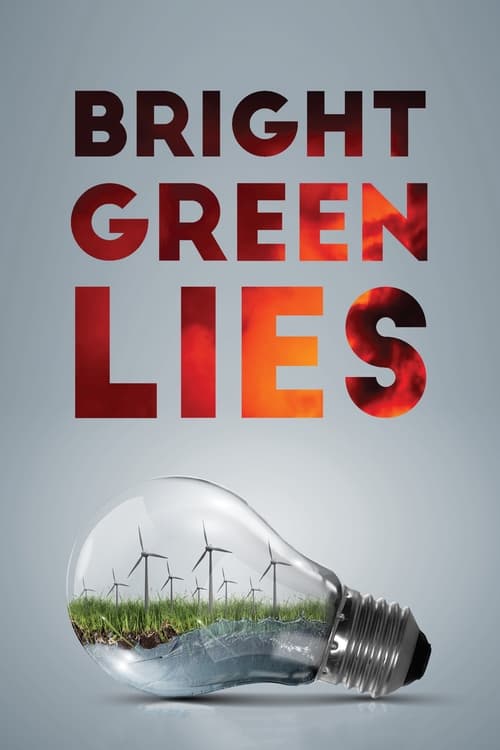
Bright Green Lies
2021
No user ratings available yet
Representation score: 3.8 out of 10

Representation Score
Minimal
2019
Director
Jeff Gibbs
Runtime
100 minutes
Average Rating
No ratings yetNew Showbiz Analysis
Planet of the Humans is a systemic critique of environmentalism that prioritizes industrial and economic analysis over individual identity. Because it functions as a non-fiction interrogation of corporate hegemony, it lacks the character-driven diversity found in narrative films. The film's primary impact is cultural rather than demographic. It aggressively deconstructs the 'green energy' myth, framing technological progress as a reconfiguration of existing power structures rather than a true ecological solution. While the documentary scores low on traditional identity metrics like gender and LGBTQ+ representation, it provides a robust critique of Western institutional frameworks and the corruption of green capitalism.
Category Breakdown
The documentary does not include any LGBTQ+ characters or stories. It focuses solely on industrial systems and energy policies.
The film centers on macroeconomic and industrial themes. It does not delve into gendered power dynamics or challenge gender hierarchies.
Race and ethnicity are not central to the narrative. The film examines the mechanics of capitalism rather than the multi-layered experiences of specific groups.
The film excels by deconstructing Western institutional narratives. It challenges the perceived benevolence of modern environmentalism and questions the morality of endless growth.
There is no focus on physical disabilities, neurodivergence, or mental health issues within the documentary's scope.
Present on Screen
Limited or Absent
Official Synopsis
Forget all you have heard about how “Renewable Energy” is our salvation. It is all a myth that is very lucrative for some. Feel-good stuff like electric cars, etc. Such vehicles are actually powered by coal, natural gas… or dead salmon in the Northwest.
2021
2015
2018
2010

2014
2009
2020

2006
No reviews yet. Be the first to share your thoughts on this movie!
Use the rating form above to leave a star rating and optional review.