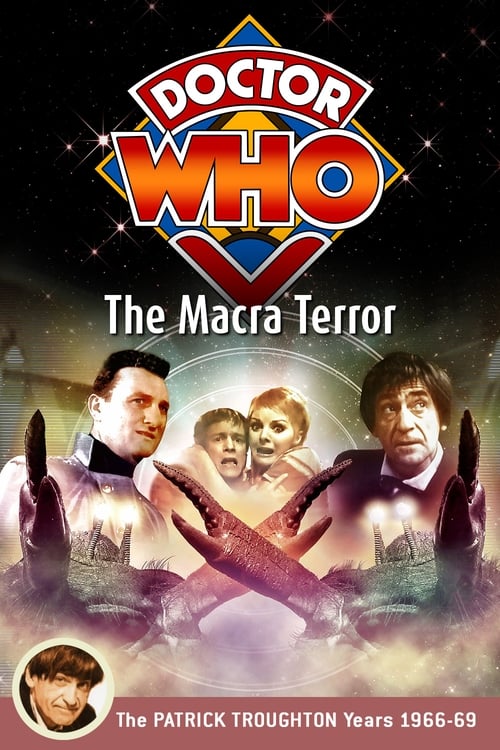
Doctor Who: The Macra Terror
1967
No user ratings available yet
Representation score: 3.3 out of 10
Representation Score
Fair
1967
TV-PGDirector
Gerry Mill
Runtime
144 minutes
Average Rating
No ratings yetNew Showbiz Analysis
This 1967 serial is a classic science fiction mystery that mirrors the social and demographic norms of its time. Though it lacks modern inclusive complexity, it hints at evolving character dynamics. The show’s strength lies in its departure from passive female roles. By giving Barbara significant intellectual influence, the story challenges contemporary genre conventions around gendered roles. However, the work remains confined by the homogeneity of its era. The lack of diverse racial, cultural, or disability-related narratives keeps the story narrowly focused on traditional perspectives.
Category Breakdown
The story does not include any LGBTQ+ characters or non-straight relationships. Social dynamics follow the traditional assumption that everyone is straight.
The series challenges some mid-century gender norms. Barbara shows strong independence and intelligence, equal to male characters, and avoids the typical damsel in distress stereotype.
The casting reflects the mostly white demographics of 1960s British TV. There is no intentional effort to include characters from different racial or ethnic backgrounds.
The story upholds traditional Western views of authority and institutions. It presents a clear good-versus-evil conflict without questioning religious or moral beliefs.
There are no visible portrayals of physical or mental disabilities. Characters are shown as fully able-bodied.
Present on Screen
Limited or Absent
Official Synopsis
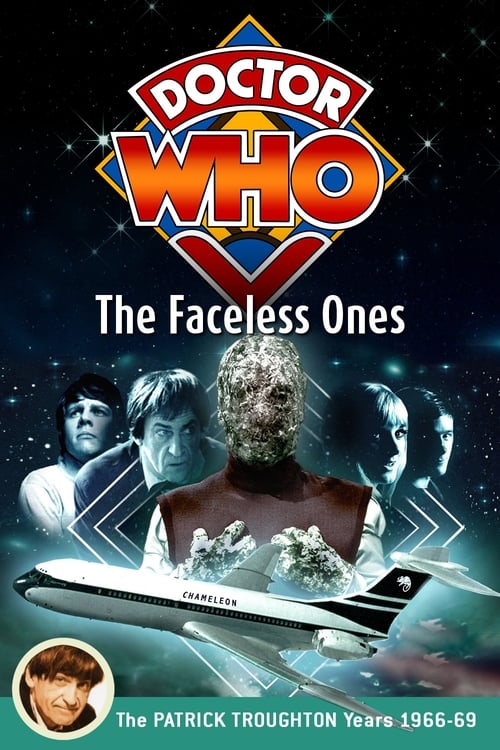
The TARDIS arrives on Earth in July, 1966, on a runway at Gatwick Airport. Polly witnesses a murder in a nearby hangar and is then kidnapped by the perpetrator, Spencer of Chameleon Tours. Ben also vanishes. The Second Doctor and Jamie are left to convince the sceptical airport Commandant there has been foul play.
1967
2014

1964
1967
1967

1982

1975

1973
No reviews yet. Be the first to share your thoughts on this movie!
Use the rating form above to leave a star rating and optional review.