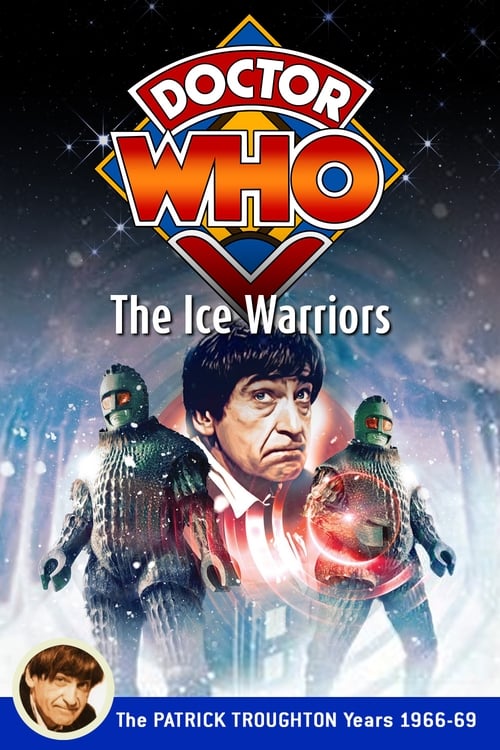
Doctor Who: The Ice Warriors
1967
No user ratings available yet
Representation score: 2.0 out of 10
Representation Score
Limited
1967
TV-PGDirector
Derek Martinus
Runtime
175 minutes
Average Rating
No ratings yetNew Showbiz Analysis
This 1967 serial reflects the social norms of its time, reinforcing mid-century hierarchies through a traditional narrative structure. It emphasizes adventure over diverse representation. The production does not engage with complex identity issues or the deconstruction of Western values. While the Doctor disrupts established hierarchies, this is framed as individual heroism rather than systemic critique. Overall, the work adheres to the demographic focus of its era, offering limited perspectives on diverse characters or social subversion.
Category Breakdown
The film does not include any LGBTQ+ characters or representations of non-binary gender identities. Social interactions revolve around traditional relationships typical of the 1960s.
Women such as Victoria Waterfield are depicted primarily as damsels in distress. They lack the ability to act to challenge the masculine leadership roles held by the Doctor and Jamie.
The cast is predominantly white, reflecting the production standards of the time. There are no non-Anglo-Saxon characters to challenge social norms.
The story includes moderate moral complexity through the Doctor's situational ethics. While the Daleks criticize expansionism, the narrative does not engage explicitly with post-colonial or anti-capitalist themes.
There is no representation of physical or neurodivergent disabilities. Characters are shown as having standard physical abilities without incorporating disabled characters into the story.
Present on Screen
Limited or Absent
Official Synopsis
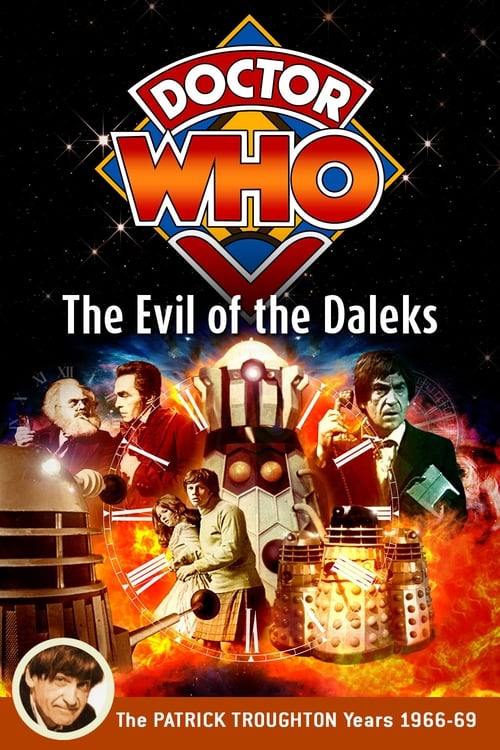
The Daleks draft the Second Doctor into distilling the Human Factor. Once implanted, it will make the Dalek race invincible. Jamie's faith in the Doctor is stretched to the limit as the Doctor appears to be collaborating with the Daleks. The Doctor has a few tricks up his sleeve, but then again so might the Daleks.
1967

1964
1967
1967

1982

1966

1971
1968
No reviews yet. Be the first to share your thoughts on this movie!
Use the rating form above to leave a star rating and optional review.