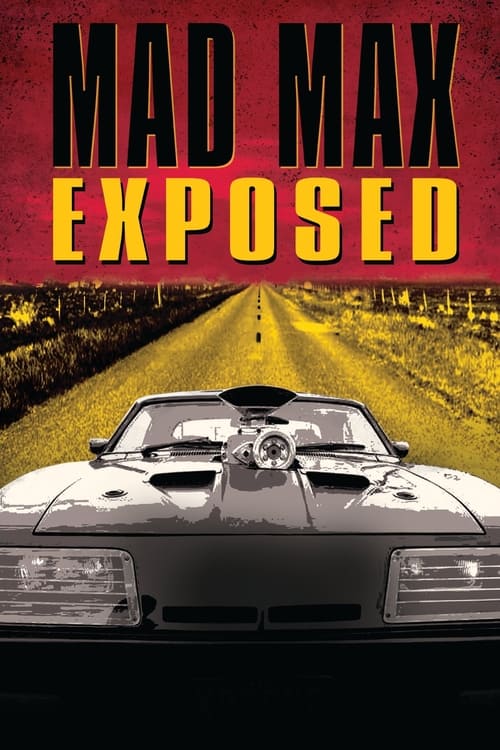
Mad Max Exposed
2022
No user ratings available yet
Representation score: 2.0 out of 10
Representation Score
Minimal
2015
Not RatedDirector
Tim Ridge, Gary McFeat
Runtime
157 minutes
Average Rating
No ratings yetNew Showbiz Analysis
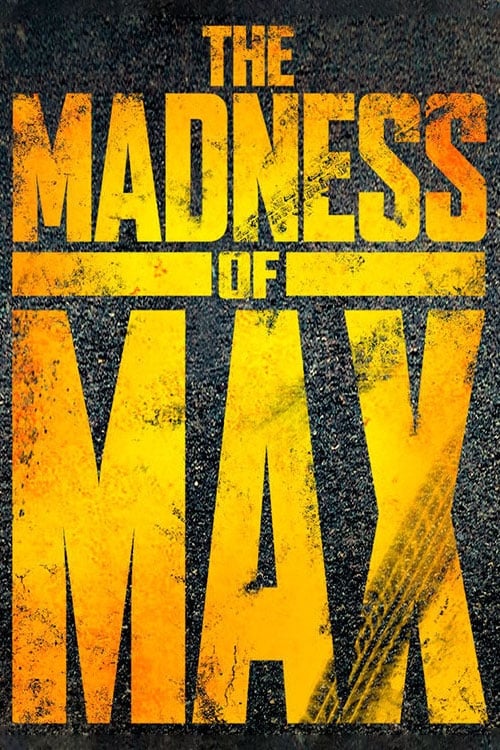
The Madness of Max acts as a specialized archival piece dedicated to preserving the legacy of the 1979 film Mad Max. Its structure is designed to document industrial and artistic processes rather than provide social commentary. Because the documentary focuses on the making of a classic action film, it naturally mirrors the demographic compositions and traditional hierarchies prevalent in 1970s cinema. The subject matter is rooted in a specific era of filmmaking history. Ultimately, the work does not attempt to disrupt conventional representation or utilize its platform to advance contemporary multi-layered frameworks. It remains a technical retrospective of a specific cinematic lineage.
Category Breakdown
The documentary focuses on the technical and creative evolution of a 1970s action film. There is no evidence of LGBTQ+ characters or non-cisgender identities within the production history.
The narrative centers on the male-dominated technical and directorial history of the original film. While female cast members like Joanne Samuel are interviewed, the focus remains on male creators.
The score reflects the era being studied. While the original film utilized diverse stunt performers, the primary subjects represent a traditional Western cinematic hierarchy.
The film functions as a historical archive celebrating cinematic craftsmanship. It does not actively critique Western institutions, religion, or promote specific ideological narratives.
There is no evidence of subjects or characters with visible or invisible disabilities being portrayed with real power or as central to this historical narrative.
Present on Screen
Limited or Absent
Official Synopsis
The Madness of Max is a feature-length documentary on the making of arguably the most influential movie of the past thirty years. With over forty cast-and-crew interviews, hundreds of behind-the-scenes photographs and never-before-seen film footage of the shoot, this is without a doubt the last word on Mad Max (1979).Interviews include: George Miller, Byron Kennedy, Mel Gibson, Hugh Keays-Byrne, Steve Bisley, Roger Ward, Joanne Samuel, David Eggby, Jon Dowding and many more. From the Producers to the Bike Designers to the Traffic Stoppers, this is the story of how Mad Max was made.
2022
2017

2025
1998
1992
2000
2001
2015
No reviews yet. Be the first to share your thoughts on this movie!
Use the rating form above to leave a star rating and optional review.