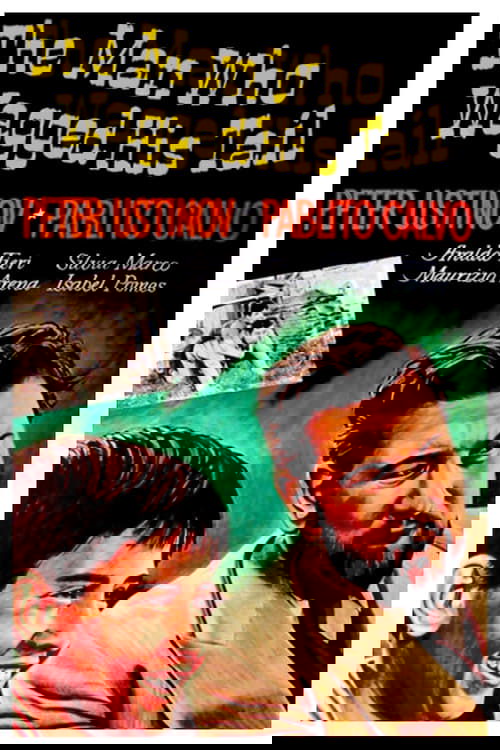
The Man Who Wagged His Tail
1957
No user ratings available yet
Representation score: 5.9 out of 10

Representation Score
Limited
1961
Director
Eldar Ryazanov
Runtime
81 minutes
Average Rating
No ratings yetNew Showbiz Analysis
Eldar Ryazanov’s film reflects its specific historical and ideological context. It primarily serves as a satirical exploration of social integration and institutional power through a fantasy lens. The work effectively uses the 'outsider' cliché to critique bureaucracy, offering moderate cultural commentary. However, it remains limited by the era's reliance on traditional character types. Representation of underrepresented identities like LGBTQ+ individuals and people with disabilities is entirely absent, reflecting the cinematic constraints of the early 1960s.
Category Breakdown
The film doesn't include any LGBTQ+ characters or non-cisgender identities. It follows the social norms of 1961, focusing on traditional romance within a musical comedy setting.
Gender roles align with typical mid-century comedic clichés. While not challenging traditional gender roles, the film relies on conventional misunderstandings in romantic plots.
The 'Tapi' tribe member serves as an outsider to highlight social tensions. The film avoids harmful stereotypes but uses the 'primitive vs. civilized' cliché for satire.
The narrative critiques institutional rigidity through a satirical, secular perspective. It examines power dynamics and the conflict between individuals and bureaucracy.
There is no representation of physical, sensory, or neurodivergent disabilities. Characters exist within standard musical comedy parameters without addressing disability as an identity.
Present on Screen
Limited or Absent
Official Synopsis
In a young anthropologist's dream, he brings a member of the imaginary mountain tribe called Tapi to Moscow, in order to save him from being eaten by other tribesmen as well as to prove the tribe's existence to academia. The main character is probably based on Yeti.
1957

1957

2006

1949
1989
1964

2005
1933
No reviews yet. Be the first to share your thoughts on this movie!
Use the rating form above to leave a star rating and optional review.