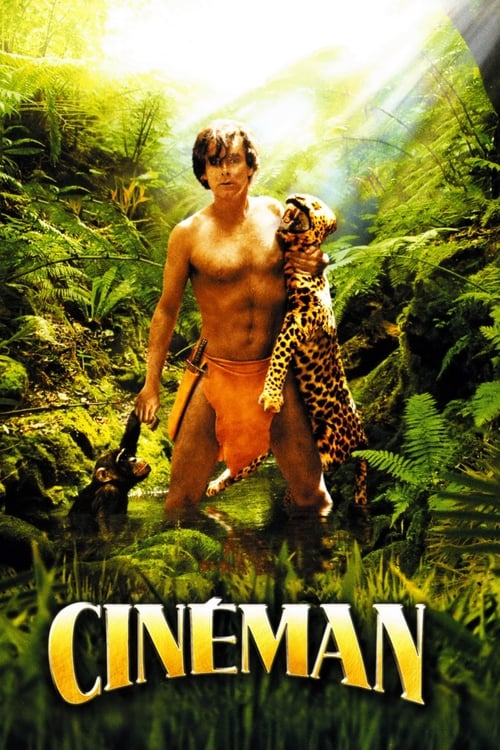
Cineman
2009
No user ratings available yet
Representation score: 4.9 out of 10
Representation Score
Fair
2005
Director
George Felner
Runtime
99 minutes
Average Rating
No ratings yetNew Showbiz Analysis
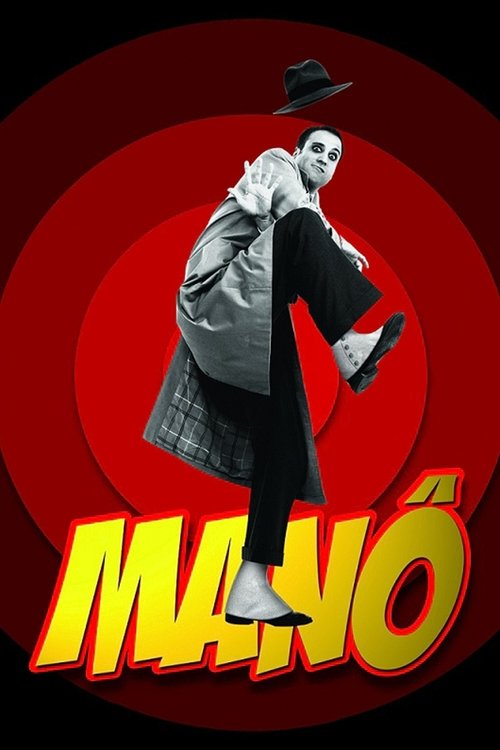
Manô is a genre-driven fantasy that emphasizes the concept of a silent-era character entering the modern world. The film uses this premise to explore the friction between archaic media and contemporary life in Lisbon. While the film allows the female lead, Mariana, to play a significant role in driving the story, it adheres to conventional storytelling structures. It focuses on character-driven comedy rather than a deeper examination of identity or institutional power. Ultimately, the work does not challenge social hierarchies effectively, functioning more as a whimsical exploration of media history than a critical look at societal issues.
Category Breakdown
The film does not include explicit representations of LGBTQ+ identities or dynamics that challenge traditional heterosexual relationships. The narrative centers around personal conflicts without incorporating queer-coded themes or critiques of the assumption that everyone is straight or cisgender.
Mariana is a central figure who drives the story and exhibits intellectual leadership. Marco serves as a rigid counterpoint to the protagonist, but the film does not explicitly break down traditional gender hierarchies.
Lisbon provides a diverse cultural setting for the story. However, the main conflict revolves around the differences between a silent-era character and modern humans, rather than addressing broader issues of race and culture.
The story examines the displacement and clash between historical media and modern reality. It critiques the clinical rigidity of modern institutions through Marco but does not delve into broader systemic issues.
There are no characters with visible or invisible disabilities, neurodivergence, or chronic illnesses in the narrative.
Present on Screen
Limited or Absent
Official Synopsis
Manô, an obscure and anonymous character from popular comedies of the 1920s, escapes the destruction of an old movie studio, materializing into the real world from a celluloid film. Manô tries to adapt and survive in present-day Lisbon, for which he is unprepared. Mariana, an unemployed photographer, meets Manô and tries to help him discover the reason for his return, despite Marco, a psychologist with little sense of humor, disliking this clumsy black-and-white character.
2009
1998
2004

2009
1970
2008
2009

1983
No reviews yet. Be the first to share your thoughts on this movie!
Use the rating form above to leave a star rating and optional review.