The House of Angels
1998
No user ratings available yet
Representation score: 8.2 out of 10
Representation Score
Good
2005
Director
Allan King
Runtime
112 minutes
Average Rating
No ratings yetNew Showbiz Analysis
Allan King’s observational approach offers a dignified, unfiltered look at the vulnerabilities of aging. The film succeeds by highlighting the voices of those often silenced by infirmity, especially through its nuanced portrayal of cognitive decline. While the documentary excels in its empathetic treatment of disability and its critique of idealized family clichés, it lacks significant racial and LGBTQ+ representation. The demographic focus remains narrow and homogeneous. Ultimately, the film serves as a profound deconstruction of the traditional lifecycle narrative. It prioritizes the subjective, complex realities of memory loss and familial disconnection over sanitized or idealized depictions of elder care.
Category Breakdown
The film briefly touches on Murray's preference for women without judgment. It avoids mocking non-traditional behaviors but doesn't provide a clear LGBTQ storyline.
The movie focuses on the experiences of elderly women like Claire and Ida. It emphasizes their emotional independence and shifts power dynamics away from traditional patriarchal structures.
The film seems to focus on a relatively homogeneous demographic. There is no indication of a non-white majority cast or multi-layered racial dynamics.
The film explores the dysfunction of isolation and the burden of memory, challenging idealized Western family clichés. It shows the complexity of family life and the impact of isolation.
The documentary showcases characters like Helen, providing a nuanced portrayal of cognitive disabilities. It treats cognitive fragmentation as a complex human condition rather than a source of moral triumph.
Present on Screen
Limited or Absent
Official Synopsis
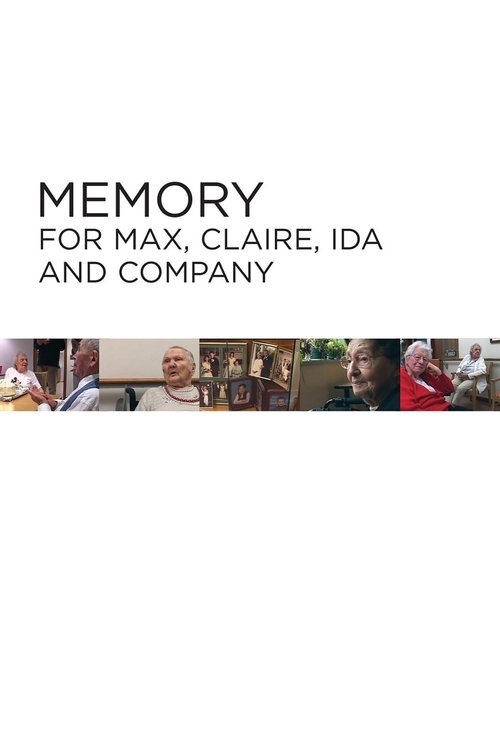
At Baycrest, an old-age home in Toronto, we follow a social worker as she talks to residents, particularly Max, Claire, Ida, and Rachel. The film opens on Claire's birthday, she's 89; Max, a tiny cheerful man, is her close friend. Rachel is lonesome, missing her son, complaining he rarely visits. Ida relies on memory for her solace. Helen has no memory and doesn't recognize her daughter; her moods swing. Murray keeps his cap on and likes women. Staff members bring medication, provide care, and offer small talk. Memory is fleeting: Claire re-experiences the death of a close companion several times, each time without remembering her previous grieving. Lives are circumscribed
1998
1978
2016

2020
2012

2020

2013
2014
No reviews yet. Be the first to share your thoughts on this movie!
Use the rating form above to leave a star rating and optional review.