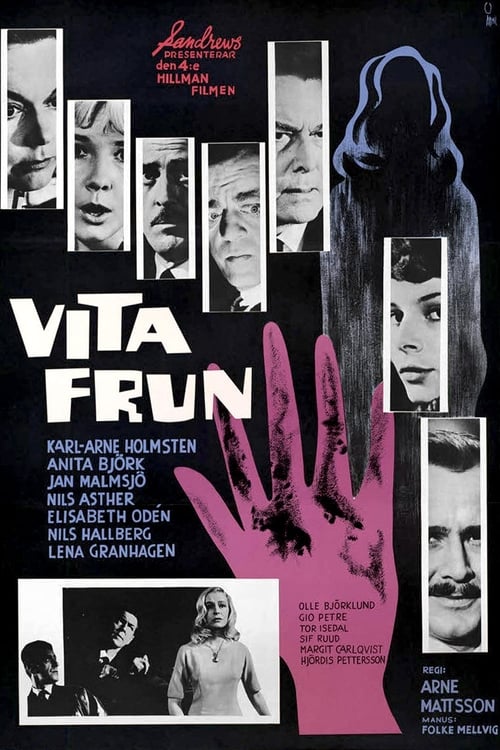
Lady in White
1962
No user ratings available yet
Representation score: 1.9 out of 10
Representation Score
Limited
1959
Director
Arne Mattsson
Runtime
110 minutes
Average Rating
No ratings yetNew Showbiz Analysis
Rider in Blue operates as a typical mid-century psychological thriller that upholds the social norms of its time. The narrative structure revolves around suspense and traditional character types rather than identity-focused subversion. The film's demographic makeup is highly uniform, reflecting the specific social strata of Sweden in the 1950s. It does not intentionally address the overlapping aspects of identity or disrupt systemic power structures. While the film examines psychological distress, it uses mental instability as a tool for suspense rather than a meaningful exploration of mental health issues.
Category Breakdown
The film follows the traditional relationship norms of 1950s Swedish cinema, focusing on heterosexual relationships without any same-sex intimacy or non-conventional gender identities.
Kajsa plays a pivotal role in driving the mystery, but her influence is closely tied to the psychological states of male characters. The film delves into traditional gender roles and male fragility.
The setting mirrors the racially homogenous society of mid-century Scandinavia. The cast reflects a culturally uniform environment without any racial diversity or non-white representation.
The narrative centers on individual psychological well-being rather than institutional critique. It upholds a traditional view of social order without challenging established cultural norms.
Mental instability is used primarily as a plot device for creating suspense. The film lacks nuanced depictions of neurodivergence or characters with disabilities having significant control over their lives.
Present on Screen
Limited or Absent
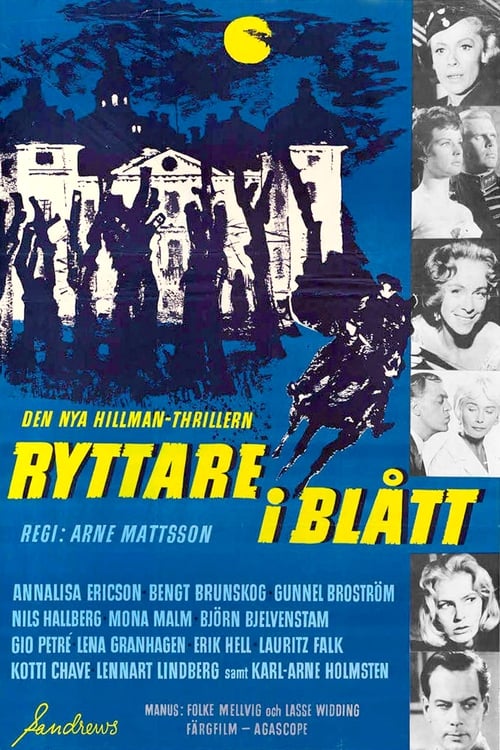
Official Synopsis
When private eye John Hillman is on assignment in London his wife Kajsa visits the Army's riding school at Strömsholm, Sweden. She gets involved in the strange murder of the Blue Rider. Unknown to everyone at Strömsholm.
1962
1947
1958
1946
1961
1947
1971
1973
No reviews yet. Be the first to share your thoughts on this movie!
Use the rating form above to leave a star rating and optional review.