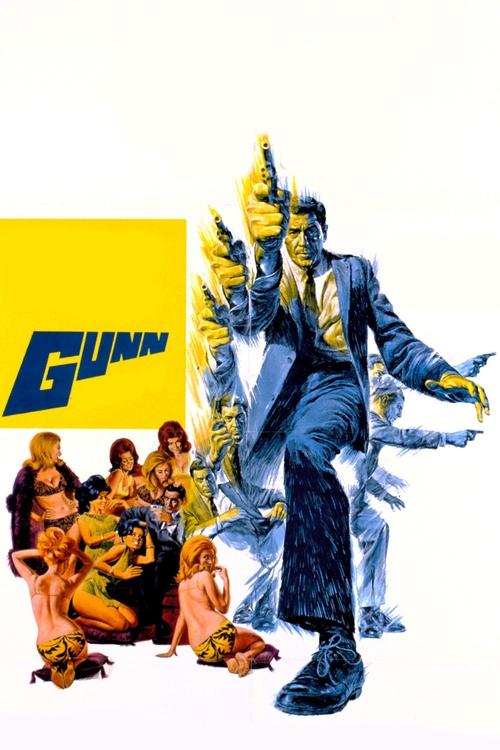
Gunn
1967
No user ratings available yet
Representation score: 4.1 out of 10

Representation Score
Limited
1968
ApprovedDirector
Leonard Horn
Runtime
87 minutes
Average Rating
No ratings yetNew Showbiz Analysis
Rogue's Gallery is a traditional mystery-thriller that relies heavily on established genre clichés. The narrative structure centers around a singular male protagonist, reinforcing traditional social hierarchies without challenging them. The film lacks intentionality regarding identity or systemic critique. By using the 'damsel in distress' archetype, the story maintains a standard gender hierarchy where the male lead is the sole active problem-solver. Overall, the production reflects the era's cinematic norms, offering little in the way of diverse perspectives or subversion of the status quo.
Category Breakdown
The film does not include any representations of LGBTQ+ identities or same-sex relationships, sticking to the assumption that everyone is straight or cisgender.
Female characters are portrayed as passive victims, while the male private investigator actively drives the plot. The narrative relies on the 'woman in distress' cliché, limiting women's roles in the story.
There is no evidence of race-bent casting or attempts to diversify the cast. The film follows the homogeneous casting patterns typical of its time, with no visible representation of racial diversity.
The story adheres to traditional moral and legal frameworks without questioning Western institutions or presenting secular themes. It lacks any significant deconstruction of cultural or institutional norms.
The film does not provide any visible representation of characters with disabilities.
Present on Screen
Limited or Absent
Official Synopsis
A private eye gets in trouble when he tries to help a woman in distress.
1967
1946
1963
1965
1969
1975
1961
1971
No reviews yet. Be the first to share your thoughts on this movie!
Use the rating form above to leave a star rating and optional review.