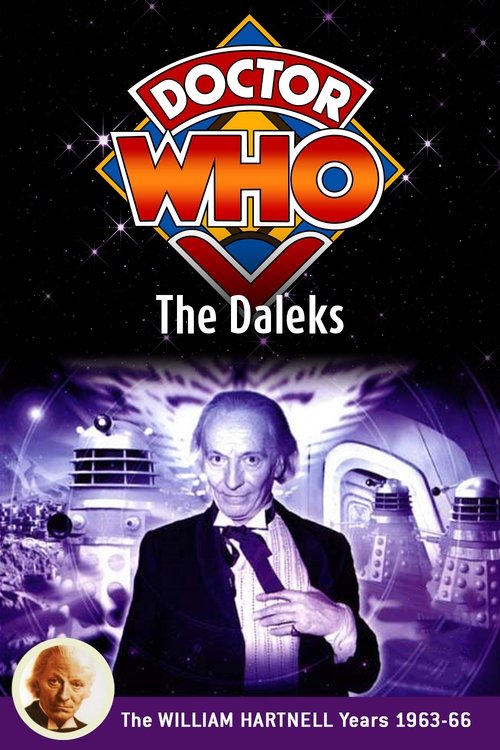
Doctor Who: The Daleks
1964
No user ratings available yet
Representation score: 2.0 out of 10
Representation Score
Fair
1965
TV-PGDirector
Derek Martinus, Mervyn Pinfield
Runtime
100 minutes
Average Rating
No ratings yetNew Showbiz Analysis
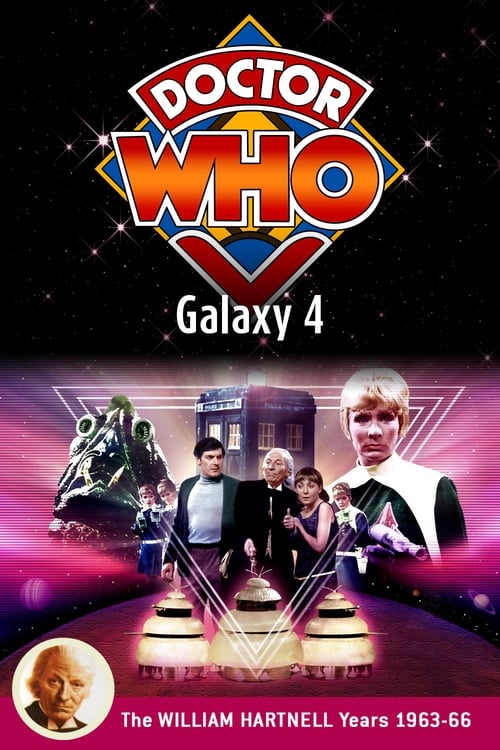
The TARDIS materializes in a blinding white void, a visual metaphor for the sterile perfection of Galaxy 4. Here, the beautiful Drahvin clones are hollow vessels, while the hideous Rills possess genuine compassion. The film argues that individuality, however messy, is superior to collective purity. Maaga, the matriarch, embodies the cold logic of the system, while the Doctor’s frailty and stubbornness represent the messy, vital human spirit. The ending rewards the Doctor’s refusal to be assimilated, leaving the travelers to judge the "perfect" society. It is a classic 1960s critique of conformity, using the visual language of horror to champion the value of the flawed self.
Category Breakdown
Absent. The narrative focuses on collective telepathy and gendered archetypes rather than sexual orientation. No same-sex intimacy or queer identity is depicted.
Present. Maaga functions as the warlike matriarch and moral authority, while Steven is the comic, impulsive foil. Vicki serves as the grounded moral center, contrasting with the sterile Drahvin clones.
Limited. The cast is entirely white, reflecting the 1965 production context. The "hideous" Rills are played by actors in prosthetic makeup, serving as visual outsiders to the white utopia.
Present. The episode critiques the erasure of individuality in favor of collective purity. The white-robed society is framed as a sterile cult, with the Doctor’s insistence on personal agency serving as the moral corrective.
Limited. The Rills are depicted as physically grotesque but morally superior, inverting the "monster" trope. Their compassion contrasts with the Drahvins' hollow perfection, suggesting inner worth over outward appearance.
Present on Screen
Limited or Absent
Official Synopsis
The Doctor, Vicki and Steven arrive on an arid planet where they meet the beautiful Drahvins and the hideous Rills. Each has crash-landed after a confrontation in space. The Rills are friendly, compassionate explorers. The Drahvins are dull-witted, cloned soldiers, terrorised by the intelligent, warlike matriarch Maaga.
1964
1965
1982
1975

1965

1975
1978

1967
No reviews yet. Be the first to share your thoughts on this movie!
Use the rating form above to leave a star rating and optional review.