Convent of Sinners
1986
No user ratings available yet
Diversity score: 5.5 out of 10
1985
NRDirector
Richard Kern
Runtime
11 minutes
Average Rating
No ratings yetSynopsis
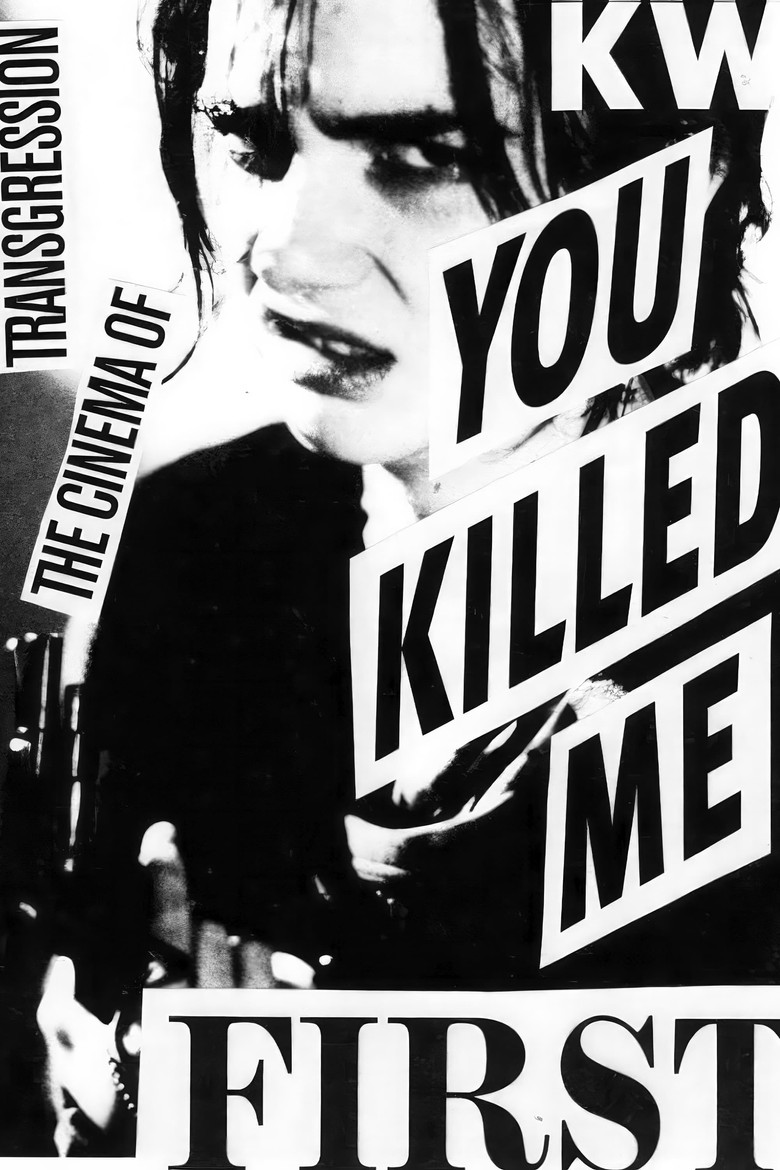
Elizabeth bristles at the religious directives of her parents, asserting her right to personhood outside demure hairstyles and turkey dinners, constructing voodoo dolls and entertaining other manners of dark drawing in her dank emo-den. When confronted with the humanity and hypocrisy of her tormentors, the young antihero vanquishes their belief systems (and bodies) asserting, "You killed me first!"
Overall Score
Fair
Category Breakdown
LGBTQ+ Representation
The film lacks explicit depictions of queer identities or romantic pairings. However, the protagonist's rejection of heteronormative domesticity hints at a subversion of traditional relationship structures.
Gender Representation
Elizabeth serves as a powerful protagonist who actively disrupts gender hierarchies. By rejecting demure aesthetics and domestic expectations, she asserts significant intellectual and physical agency against patriarchal oppression.
Racial & Ethnic Diversity
The narrative appears centered on a homogeneous social unit. There is no evidence of a diverse or non-Anglo-Saxon cast, suggesting a lack of intersectional racial complexity.
Religious & Cultural Diversity
The film strongly deconstructs Western institutions by portraying the nuclear family and religious directives as sources of torment. It favors individualistic morality over institutional dogma.
Disability Representation
There is no evidence of characters with visible or invisible disabilities within the narrative.
Strengths
Areas for Improvement
AI Analysis
Richard Kern’s underground No Wave approach provides a transgressive lens that challenges mainstream social structures. The film excels in its subversion of gendered domesticity and its critique of organized religious institutions. However, the work remains limited by a lack of racial and LGBTQ+ intersectionality. The focus on a singular, homogeneous domestic struggle prevents a broader spectrum of representation. Ultimately, the film functions as a dark character study of individualistic rebellion against the stability of the traditional Western domestic sphere.
1986
1968

2016

1988

2016

1973
1969

1992

1989
1971
2012
1976
No reviews yet. Be the first to share your thoughts on this movie!
Use the rating form above to leave a star rating and optional review.