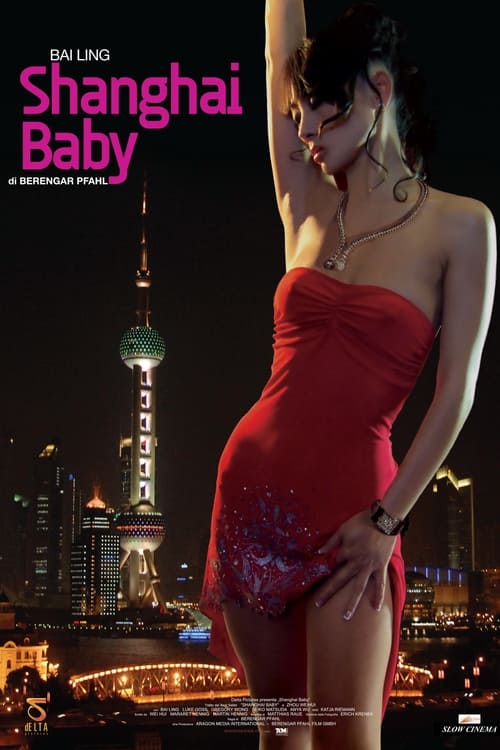
Shanghai Baby
2007
No user ratings available yet
Diversity score: 6.1 out of 10
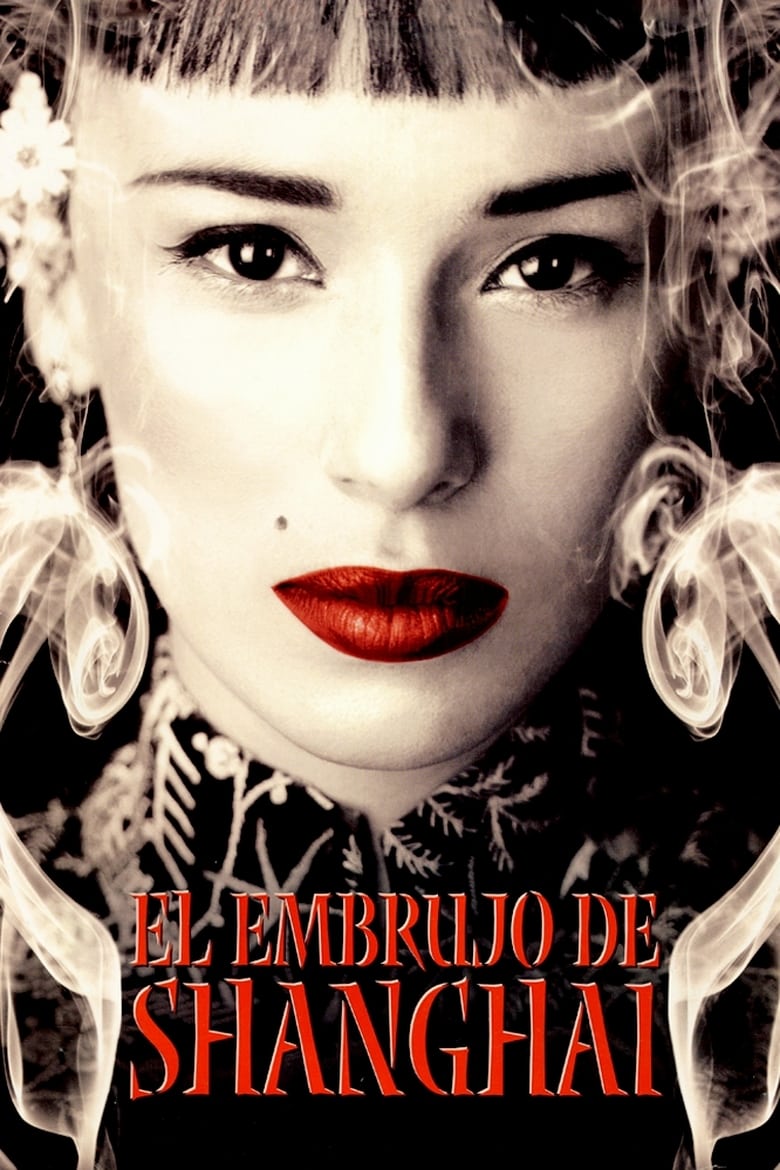
2002
Director
Fernando Trueba
Runtime
119 minutes
Average Rating
No ratings yetSynopsis
A fourteen year old lad discovers his first love at the point of his pencil whilst drawing the portrait of a sickly but coquettish fifteen year old girl. In the neighbourhood an old freedom-fighter pits himself against bad types, a pretty cinema-ticket girl takes to the streets at night and a young anarchist dedicates himself to telling tall stories. Far away, in Shanghai, a hero of the Republic meets a beautiful femme fatal with oriental eyes. Reality and fiction become fused in an embrace.
Overall Score
Fair
Category Breakdown
LGBTQ+ Representation
The narrative centers on a traditional first love between a teenage boy and girl. There is no explicit evidence of non-heteronormative identities or LGBTQ+ characters within the story.
Gender Representation
Female characters appear through various archetypes, including a coquettish girl and a femme fatale. While some roles suggest agency, the central romantic arc follows conventional adolescent tropes.
Racial & Ethnic Diversity
The film expands its scope by incorporating a subplot set in Shanghai. This inclusion of non-Western settings and characters provides a departure from a strictly Eurocentric perspective.
Religious & Cultural Diversity
The story explores political dissent through characters like an anarchist and a freedom fighter. This suggests a narrative interest in subverting established social and moral orders.
Disability Representation
A character is described as sickly, but it is unclear if this represents a meaningful portrayal of illness. There is insufficient information to assess disability representation.
Strengths
Areas for Improvement
AI Analysis
The film offers a multi-layered narrative that bridges local life with distant, non-Western settings. By weaving together anarchists, freedom fighters, and romantic archetypes, it avoids a monolithic perspective. While the film engages with cross-cultural dynamics and political subversion, it remains anchored in traditional romantic tropes. The gender and LGBTQ+ portrayals lean toward conventional storytelling rather than progressive disruption. Ultimately, the work finds its strength in its structural complexity and its willingness to blend reality with fiction, providing a nuanced view of social identity.
2007

2020
2022

2005

1991
1994
2004
2011
1996

1998

1981
2012
No reviews yet. Be the first to share your thoughts on this movie!
Use the rating form above to leave a star rating and optional review.