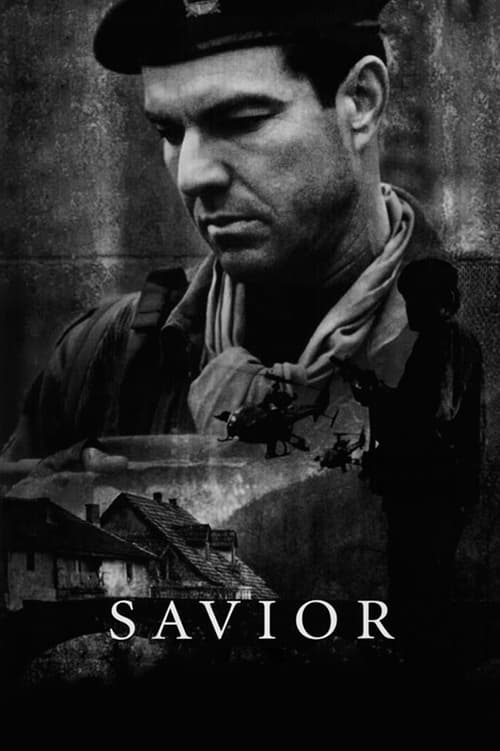
Savior
1998
No user ratings available yet
Representation score: 4.6 out of 10
Representation Score
Good
2022
Director
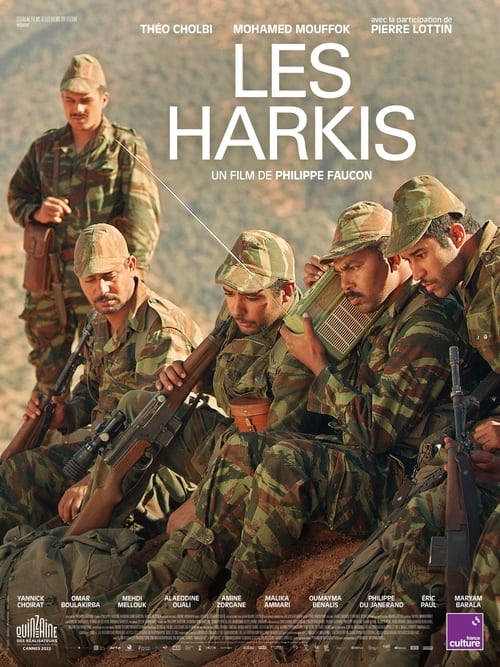
Philippe Faucon
Runtime
82 minutes
Average Rating
No ratings yetNew Showbiz Analysis
Philippe Faucon’s *Harkis* is a powerful piece of storytelling that challenges traditional Western historical narratives. By centering the Algerian-French experience, the film focuses on the intimate, systemic struggles of a underrepresented community. The film's strength lies in its high degree of racial and cultural authenticity. It provides a significant role in driving the story to North African characters, using their specific historical trauma to critique national integration models and institutional failures. However, the film's narrow historical focus results in lower scores for gender and LGBTQ+ representation. While these omissions reflect the specific socio-political context of the era, they limit the breadth of the film's diversity.
Category Breakdown
The film does not include prominent LGBTQ+ characters or narratives. The story centers on the ethnic and historical identity of the Harki community.
The narrative is driven by male perspectives, reflecting the historical realities of the Harki experience. It avoids reinforcing patriarchal dominance by highlighting the vulnerability of its male protagonists.
The film excels in authentic ethnic representation by centering North African characters. It provides a significant role in driving the story to characters of color while exploring the complexities of the Algerian-French experience.
The work offers a sophisticated critique of Western institutions and national identity. It explores the friction between underrepresented populations and the state following colonial conflict.
There are no explicit depictions of physical or neurodivergent disabilities. The film instead explores the concept of social exclusion through the lens of systemic exclusion.
Present on Screen
Limited or Absent
Official Synopsis
During the Algerian War (1954-1962), many impoverished young Algerian men, known as "Harkis", volunteered to join the French Army. Salah and Kaddour find themselves under the orders of Lieutenant Pascal. But as the conflict draws to an end, the prospect of independence looms. The outlook for Harkis seems bleak. Lieutenant Pascal confronts his superiors, insisting that every single man in his platoon must be evacuated to France.
1998
2006
2007
2015
2008
2007
2006

2005
No reviews yet. Be the first to share your thoughts on this movie!
Use the rating form above to leave a star rating and optional review.