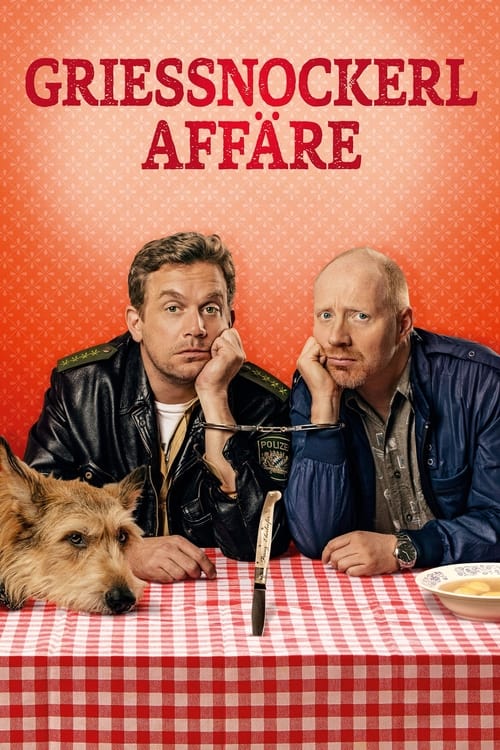
Griessnockerlaffaere
2017
No user ratings available yet
Diversity score: 3.8 out of 10
2005
Director
Ryôichi Kimizuka
Runtime
117 minutes
Average Rating
No ratings yetSynopsis
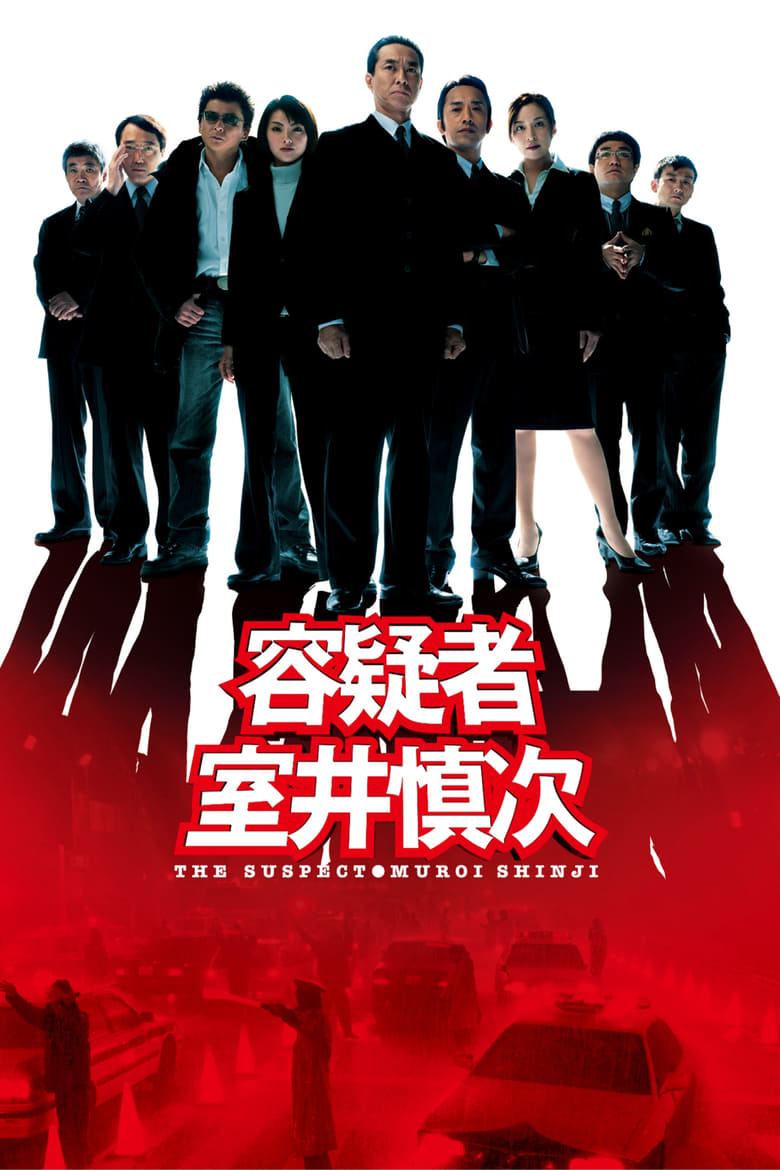
One day in February, 2005, Metropolitan Police Department Superintendent Muroi (Toshiro Yanagiba) is arrested to take responsibility for a botched murder case he headed. His faithful colleagues, including Arashiro (Toshio Kakei) and Okita (Miki Maya), only exacerbate the situation when they try to help clear his name. Is Muroi guilty as charged or merely taking the fall? What is the truth behind the murder? Two lawyers, one determined to get Muroi, the other resolved to save him, a feud between two police departments, political power plays and legal trappings, all combine to orchestrate Muroi’s downfall.
Overall Score
Limited
Category Breakdown
LGBTQ+ Representation
The film lacks LGBTQ+ characters or narratives. The story focuses on legal and political maneuvering within a traditional institutional framework.
Gender Representation
While Okita provides female professional presence, the core conflict is driven by male-dominated hierarchies. The narrative operates within traditional gendered structures of authority.
Racial & Ethnic Diversity
The cast and setting reflect a largely homogeneous social environment. The production focuses on a localized Japanese context without diversifying the ethnic landscape.
Religious & Cultural Diversity
The film explores friction between law enforcement branches through a lens of institutional stability. It emphasizes internal state mechanics rather than systemic social critique.
Disability Representation
There are no visible or invisible disabilities mentioned as central to the character arcs or plot drivers.
Strengths
Areas for Improvement
AI Analysis
The film functions as a conventional crime procedural that prioritizes institutional conflict and legal ethics over intersectional identities. The narrative architecture centers on political power plays and the mechanics of the Metropolitan Police Department. Because the story focuses on individual accountability within established systemic frameworks, it does not actively seek to subvert traditional social hierarchies. The representation remains consistent with the genre conventions of mid-2000s Japanese crime dramas. Ultimately, the film maintains a traditional approach to storytelling, focusing on the internal tensions of the legal system rather than diverse social perspectives.
2017
2010
2020

2019

1992
1987

1999

1999

2012

2003

1975
2015
No reviews yet. Be the first to share your thoughts on this movie!
Use the rating form above to leave a star rating and optional review.