Trip to Mars
1924
No user ratings available yet
Representation score: 1.1 out of 10
Representation Score
Minimal
1917
Director
Walter Lantz
Runtime
3 minutes
Average Rating
No ratings yetNew Showbiz Analysis
This 1917 animation is a product of its time, relying on established comic strip archetypes rather than intentional narrative subversion. The story follows a singular male protagonist through a dream sequence, adhering to the slapstick traditions of early 20th-century animation. The film lacks depth in representing various identities, presenting a homogeneous cast and reinforcing traditional social hierarchies. While it uses a subjective dream framework, the core themes remain within conventional Western comedic clichés. Ultimately, the work functions as a typical period piece. It does not challenge existing social structures or provide representation for diverse identities, reflecting the limited casting and narrative standards of the early 1910s.
Category Breakdown
The film focuses on a male protagonist and includes a brief encounter with a ballerina. There are no non-binary or LGBTQ+ identities or intimate moments between same-sex characters.
The story revolves around a male protagonist who drives the plot. Female characters are limited to a ballerina's performance, serving as a decorative element rather than having their own choices.
The film features a localized setting centered on a specific comic strip character. There is no mention of a diverse cast or characters of different races or ethnicities with their own choices.
The themes align with traditional Western comedic structures and the classic hero's journey. The resolution supports traditional institutions like law enforcement without challenging them.
There are no visible or invisible disabilities shown in the film. No characters use disability as a plot device or a source of mockery.
Present on Screen
Limited or Absent
Official Synopsis
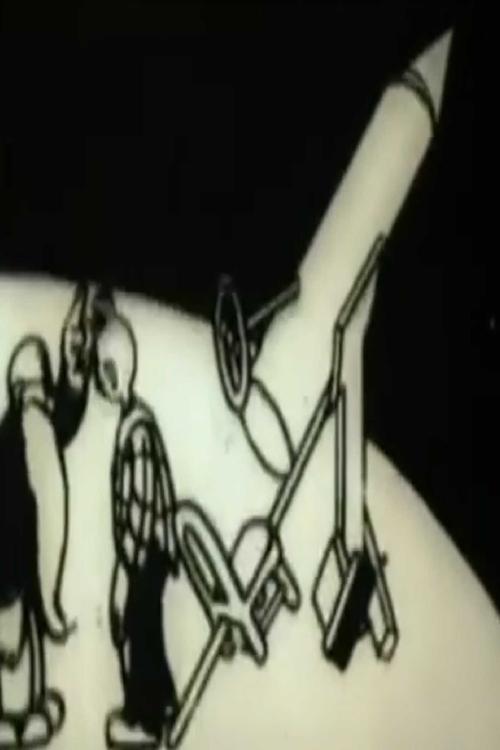
Based on the Happy Hooligan comic strip, by Frederick Burr Opper. Happy speaks with someone in the park and takes a trip to the moon on a rocket that looks like the front half of a current racing car, where he is made king of the moon. A ballerina does a shimmy and Our Hero winds up back in the park being accosted by a cop. The inference is that he has fallen asleep and dreamed the entire trip.
1924
1929

1921
2002
1926
1902
1955
1958
No reviews yet. Be the first to share your thoughts on this movie!
Use the rating form above to leave a star rating and optional review.