
The Hands of Orlac
1924
No user ratings available yet
Representation score: 2.5 out of 10
Representation Score
Limited
1962
NRDirector
Newt Arnold
Runtime
85 minutes
Average Rating
No ratings yetNew Showbiz Analysis
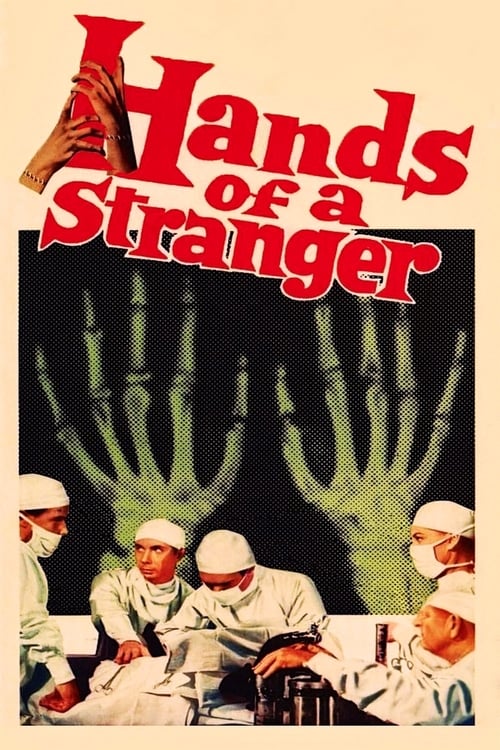
Hands of a Stranger is a conventional 1960s horror film that adheres strictly to the social and narrative norms of its era. The story prioritizes psychological dread and body horror over any meaningful social critique. The film relies on established genre clichés, such as the 'mad scientist,' and maintains traditional hierarchies. Character roles are functional, serving the plot's tension rather than exploring complex identity-based themes. Ultimately, the film functions as a standard mid-century thriller. It lacks the intentionality required to disrupt social structures or provide perspectives that reflect multiple aspects of identity.
Category Breakdown
The film focuses on a traditional heterosexual romance between Vernon and Eileen. There are no characters with non-conforming gender identities or critiques of the assumption that everyone is straight.
Female characters are shown through domestic duties or emotional reactions. Eileen mainly serves as a trigger for the protagonist's distress rather than having her own independent role.
The cast appears to be mostly white and of Anglo-Saxon descent. The casting and setting reflect the homogeneous social structures typical of early 1960s American thrillers.
The story operates within a framework of Western morality and medical ethics. It does not explicitly critique religion, capitalism, or broader Western institutions.
The plot centers on a character's physical disability and psychological trauma. However, the disability is used primarily as a horror element to drive the thriller's tension.
Present on Screen
Limited or Absent
Official Synopsis
A concert pianist loses his hands in a car crash, but a surgeon gives him new ones. The experimental medical procedure goes awry when the new hands drive the pianist mad.
1924
1960
1984
1935

1960
2015

1961

1977
No reviews yet. Be the first to share your thoughts on this movie!
Use the rating form above to leave a star rating and optional review.