
Sombras Porteñas
1936
No user ratings available yet
Diversity score: 3.2 out of 10

1954
16Director
Daniel Tinayre
Runtime
100 minutes
Average Rating
No ratings yetSynopsis
A couple of thieves with a worldwide reputation start a dispute over a valuable necklace in a transalpine train.
Overall Score
Limited
Category Breakdown
LGBTQ+ Representation
The film operates within the heteronormative constraints typical of 1954 commercial drama. There is no documented evidence of same-sex intimacy or non-cisnormative identities.
Gender Representation
A dual-protagonist structure features a couple of thieves. While the thief archetype can offer female agency, the film's adherence to 1950s melodrama suggests traditional hierarchies.
Racial & Ethnic Diversity
The transalpine train setting implies a predominantly Eurocentric passenger demographic. The film likely reflects the homogeneous social structures common to mid-century international travel.
Religious & Cultural Diversity
The plot centers on material greed and a valuable necklace. The narrative follows a standard crime-and-consequence trajectory without exploring secularism or anti-Western sentiment.
Disability Representation
There is no documented evidence regarding the inclusion of characters with visible or invisible disabilities.
Strengths
Areas for Improvement
AI Analysis
Daniel Tinayre’s thriller focuses on narrative tension and high-stakes suspense rather than social commentary. The film's structure relies on a conventional dispute over luxury goods, prioritizing plot-driven conflict over the exploration of intersectional identities. As a product of 1954 Argentine cinema, the work adheres to the era's traditionalist standards. The setting and character archetypes suggest a lack of subversion regarding gender, race, or sexual orientation, reflecting the social norms of mid-century international travel.
1936

1947

1974

1989
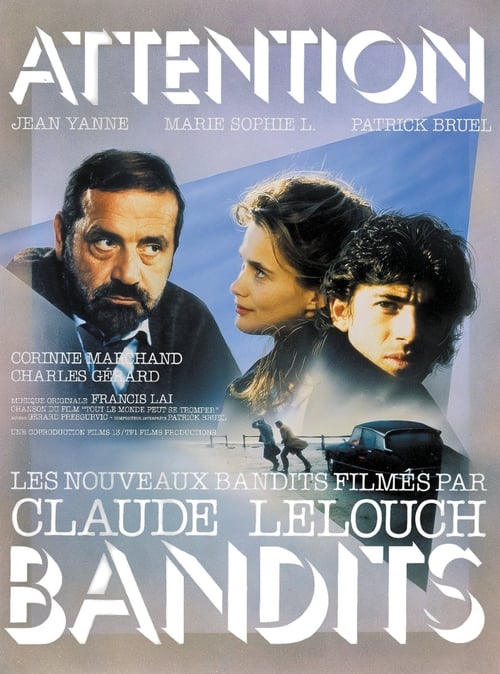
1987

2004
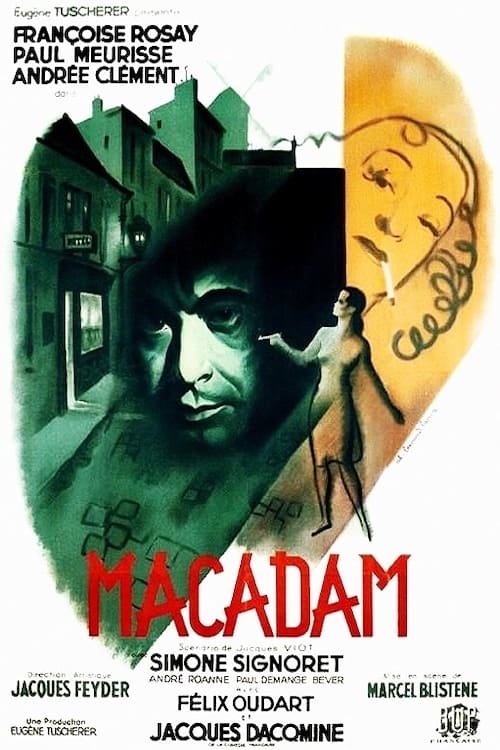
1946

1952

1956

1947

1954

1954
No reviews yet. Be the first to share your thoughts on this movie!
Use the rating form above to leave a star rating and optional review.