
Deep Web
2015
No user ratings available yet
Representation score: 1.9 out of 10
Representation Score
Good
2012
PGDirector
Brian Knappenberger
Runtime
93 minutes
Average Rating
No ratings yetNew Showbiz Analysis
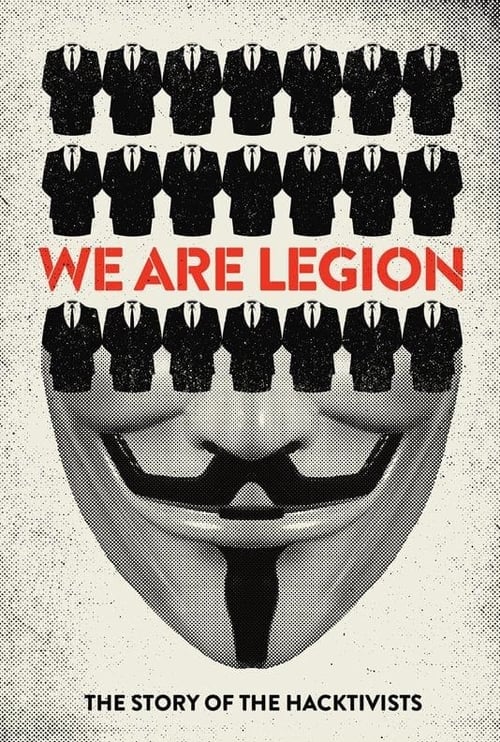
We Are Legion offers a sophisticated exploration of identity politics within a post-modern, digital context. It succeeds by applying a systemic critique to state and corporate entities rather than traditional social groups. While specific identity representation remains limited due to the obscured nature of the subjects, the film's strength lies in its systemic critique. It challenges the sanctity of legal and religious institutions through the lens of digital vigilantism. Ultimately, the documentary prioritizes the disruption of traditional Western hierarchies, making it a study of power dynamics in the digital age.
Category Breakdown
The film does not explicitly depict queer narratives or non-cisgender identities. While digital subcultures are inherently fluid, the documentary maintains a neutral stance without focusing on LGBTQ+ experiences.
The narrative focuses on a digital meritocracy that bypasses traditional gender hierarchies. While early 4chan culture is male-dominated, the film emphasizes collective action over established masculine or feminine archetypes.
Physical identities are frequently obscured by masks and digital avatars, creating a color-blind aesthetic. This anonymity prevents deep character development related to race and ethnicity, despite the film's global scope.
The documentary provides a profound critique of Western institutional authority and corporate dominance. It frames digital disruption as a legitimate tool for social justice and modern civil disobedience.
There is no significant focus on visible or invisible disabilities. The film does not explicitly engage with neurodivergence or physical disability as central themes or character arcs.
Present on Screen
Limited or Absent
Official Synopsis
Takes us inside the world of Anonymous, the radical "hacktivist" collective that has redefined civil disobedience for the digital age. The film explores early hacktivist groups like Cult of the Dead Cow and Electronic Disturbance Theater, then moves to Anonymous' raucous beginnings on the website 4chan. Through interviews with current members, people recently returned from prison or facing trial, writers, academics, activists and major players in various "raids," the documentary traces Anonymous’ evolution from merry pranksters to a full-blown movement with a global reach, the most transformative civil disobedience of our time.
2015

2013
2014
2016
2016

2013
2019
2013
No reviews yet. Be the first to share your thoughts on this movie!
Use the rating form above to leave a star rating and optional review.