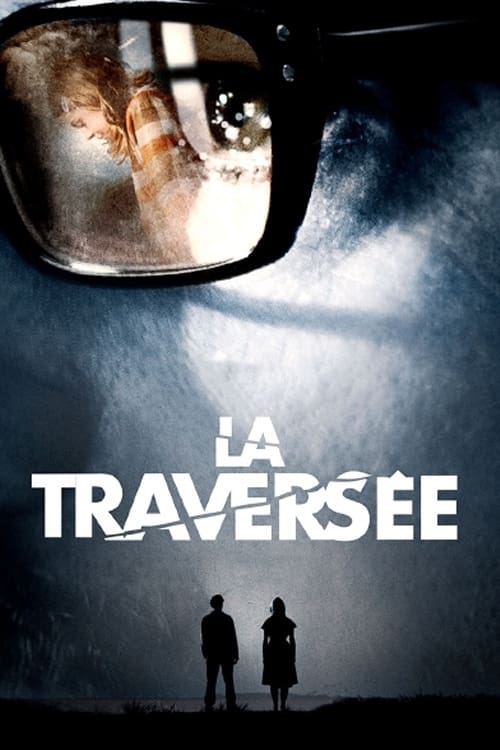
The Crossing
2012
No user ratings available yet
Representation score: 1.8 out of 10
Representation Score
Limited
2016
Not RatedDirector
Gilles Marchand
Runtime
103 minutes
Average Rating
No ratings yetNew Showbiz Analysis
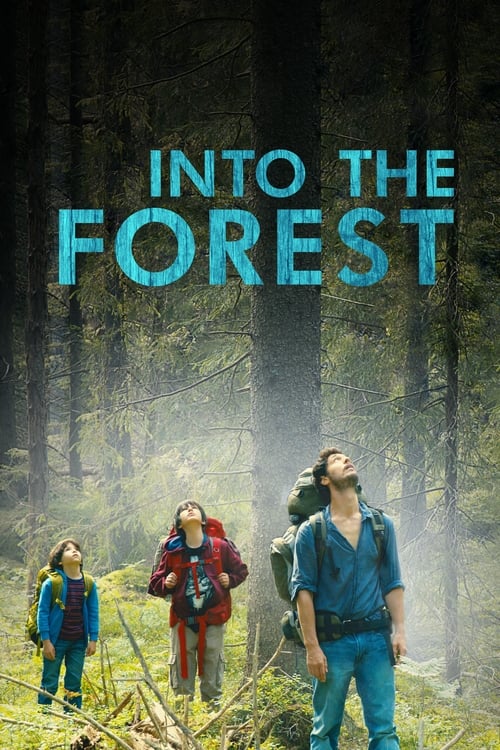
Into the Forest is a psychological thriller that prioritizes atmospheric tension and individual instability over social commentary. The narrative centers on the fragmentation of the self within an isolated setting, avoiding broader multi-layered themes. The film relies on a homogeneous cast and a traditional Western cinematic framework. By focusing on individualistic psychological drama, it avoids engaging with identity politics or disrupting conventional social hierarchies. Ultimately, the work serves as a study of obsession and isolation. It lacks the structural elements needed to challenge systemic structures or provide diverse representation.
Category Breakdown
The film adheres to a traditional focus on straight relationships. The central tension revolves around a romantic relationship between a man and a woman.
The story examines the breakdown of traditional gender roles within a romantic relationship. While Édith plays a significant role in her psychological journey, the film emphasizes a shared descent into obsession.
The cast is primarily white and European, reflecting a homogeneous demographic. The setting does not include diverse ethnic perspectives.
The narrative avoids promoting specific religious or political institutions. It uses a secluded, high-end rural setting typical of middle-class depictions.
There is no significant depiction of physical or neurodivergent disabilities. Mental instability is used as a plot driver rather than a representation of lived experience.
Present on Screen
Limited or Absent
Official Synopsis
Tom (8) and Benjamin (11) travel to Stockholm to spend the summer with their father, whom they have barely seen since he divorced their mother. Tom, in particular, knows next to nothing about this strange, solitary man who seems never to sleep. When he suggests they spend a few days at his cabin in the country, the boys are delighted. But the cabin is totally isolated in the middle of a huge forest, a place both beautiful and troubling.
2012

2014
2011
2015
2022
2003
2023
2016
No reviews yet. Be the first to share your thoughts on this movie!
Use the rating form above to leave a star rating and optional review.