Home
2011
No user ratings available yet
Representation score: 3.1 out of 10
Representation Score
Limited
2003
Not RatedDirector
Andrey Zvyagintsev
Runtime
111 minutes
Average Rating
No ratings yetNew Showbiz Analysis
The Return is a thematic powerhouse that prioritizes allegorical depth over demographic variety. It succeeds by deconstructing the traditional patriarchal archetype, presenting masculinity as a destabilizing force rather than a pillar of strength. This subversion of gender roles provides significant intellectual value. However, the film lacks breadth in terms of identity representation. The casting is ethnically homogeneous, and there is a complete absence of LGBTQ+ or disability-related narratives. The focus remains tightly locked within a specific Russian cultural context. Ultimately, the film's score reflects a trade-off: it offers profound social critique and complex moral relativism while remaining narrow in its character demographics.
Category Breakdown
The film does not feature any LGBTQ+ characters or narratives. The storyline centers on the biological and patriarchal heritage of the main family.
Masculinity is shown as a source of tension rather than stability. The father is an enigmatic and possibly oppressive figure, while the mother holds a position of reluctant compliance.
The casting is uniform and reflects a specific Russian ethnic background. The narrative lacks diversity, staying rooted in a singular, localized identity.
The film offers a sophisticated critique of traditional institutions and moral absolutism. It uses allegory to challenge the sanctity of the family and centralized power structures.
There are no visible or invisible disabilities portrayed within the primary character arcs.
Present on Screen
Limited or Absent
Official Synopsis
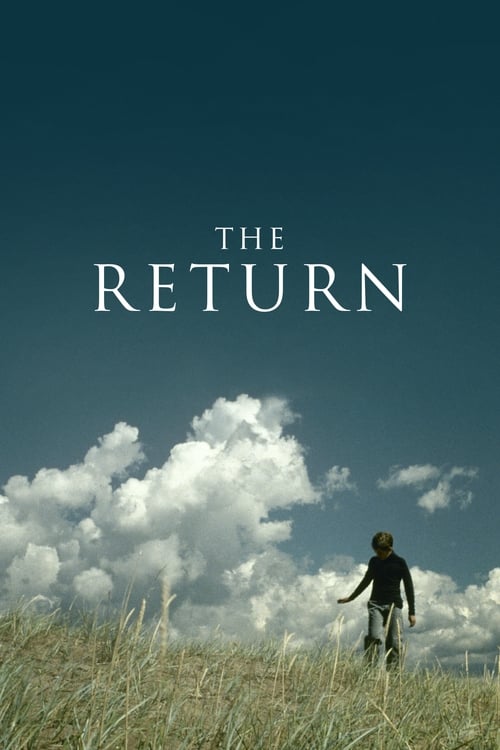
Two young brothers in contemporary Russia are reunited with a father they know only from an old photograph after his sudden return from a long absence. With their mother’s reluctant consent, they set out on a remote trip that quickly becomes an uneasy test of authority, trust, and masculinity. As the journey moves deeper into the wilderness, the fragile bonds between father and sons are pushed to their limits.
2011
2004
2013
2017
2017

2010
2014
2003
No reviews yet. Be the first to share your thoughts on this movie!
Use the rating form above to leave a star rating and optional review.