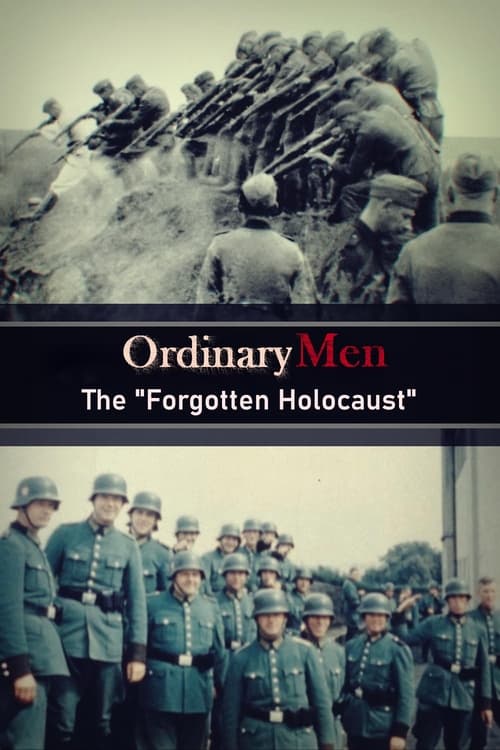
Ordinary Men: The "Forgotten Holocaust"
2022
No user ratings available yet
Representation score: 3.7 out of 10
Representation Score
Fair
2020
Director
Winfried Laasch, Friedrich Scherer
Runtime
89 minutes
Average Rating
No ratings yetNew Showbiz Analysis
The film uses a unique approach by focusing on the SS photo albums to disrupt traditional heroic war narratives. It examines the banal, systemic nature of genocide through the eyes of the perpetrators. By shifting from the broad institution of the camps to the personal experiences of victims, such as Irina Weiss, the film critiques the dehumanizing impact of totalitarian structures. It restores individual identity and ability to act to those underrepresented by history. While the film effectively dismantles systemic oppression, it does not specifically address gender hierarchies or LGBTQ+ identities, as its main focus is on racial and religious persecution.
Category Breakdown
There are no LGBTQ+ characters or narratives addressing non-straight relationships in the film.
The film includes female characters and explores their survival and domestic lives, but it does not specifically challenge traditional gender roles.
The film highlights the Jewish experience and systemic persecution, emphasizing the humanity and ability to act of those targeted by oppression.
It critiques Western institutions and exposes the destructive machinery of state-sponsored fascism, challenging nationalist myths.
The physical state of victims is a key visual element, but disability is not explored as a separate narrative category.
Present on Screen
Limited or Absent
Official Synopsis
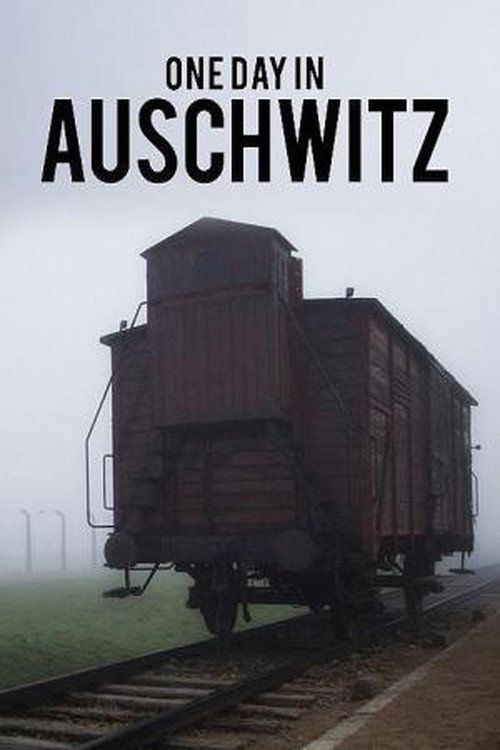
Today, the word "Auschwitz" is a synonym for the Holocaust. Thousands of Jews died there every day. With the help of some acted scenes, photos and graphics, the film tells of a day in May 1944. The starting point is a unique document: a photo album created by the SS perpetrators themselves. Almost all of the photos were taken at the end of May 1944, in just a few days. They show the cruel routine, the arrival of the victims, their "selection" on the ramp, the robbery of their property and the transformation of all those who were not immediately killed, into shaved, uniformed slaves. One survivor is Irina Weiss. On a photo she recognizes her little brothers and her mother - waiting unsuspectingly near the crematorium. The SS photographers captured all of this. Their identity is known today: one of them was Bernhard Walter, a "Stabsscharführer" who lived with his wife and three children near the extermination camp.
2022
1998
2019

1985
2014
2018
2006
2015
No reviews yet. Be the first to share your thoughts on this movie!
Use the rating form above to leave a star rating and optional review.