Las alas de la vida
2006
No user ratings available yet
Representation score: 5.7 out of 10
Representation Score
Fair
1996
TV-14Director
Juan José Campanella
Runtime
46 minutes
Average Rating
No ratings yetNew Showbiz Analysis
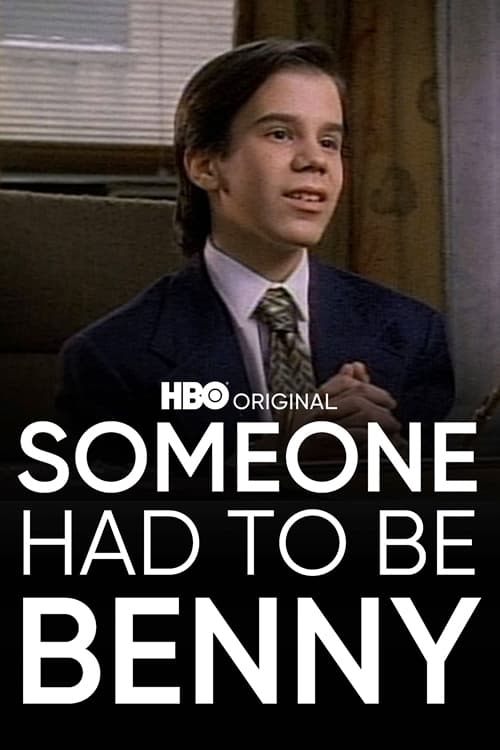
Someone Had to Be Benny is a documentary that explores the tension between individual autonomy and paternalistic medical and legal institutions. Instead of focusing on the tragedy of terminal illness, the film centers on a teenager's legal battle to refuse medical intervention. This approach highlights the assertion of personal sovereignty and self-determination. While the film excels in portraying ability to act for those facing medical crises, it lacks specific information regarding racial, ethnic, or LGBTQ+ representation.
Category Breakdown
The film does not include any LGBTQ+ characters or themes. It focuses on a specific legal and medical struggle.
The story centers on a teenage boy who gains control over his own body and destiny by challenging adult-led medical hierarchies.
Specific ethnic details or casting information are not available. The documentary focuses on a single individual's lived experience without providing broader racial context.
The film prioritizes individual rights and subjective morality over institutional mandates. It portrays the medical establishment as a force that can be oppressive to personal will.
The protagonist actively drives the plot rather than being a passive victim. He uses the legal system to assert his own neuro-physical boundaries regarding his terminal illness.
Present on Screen
Limited or Absent
Official Synopsis
A terminally ill teenage boy sues for the right to stop his medical treatment.
2006

2011
1988

2023
2015

2008
2010
2004
No reviews yet. Be the first to share your thoughts on this movie!
Use the rating form above to leave a star rating and optional review.