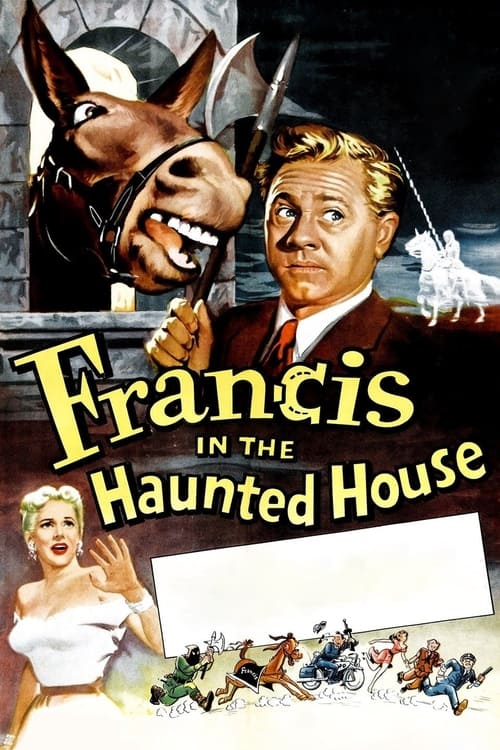
Francis in the Haunted House
1956
No user ratings available yet
Representation score: 2.9 out of 10
Representation Score
Minimal
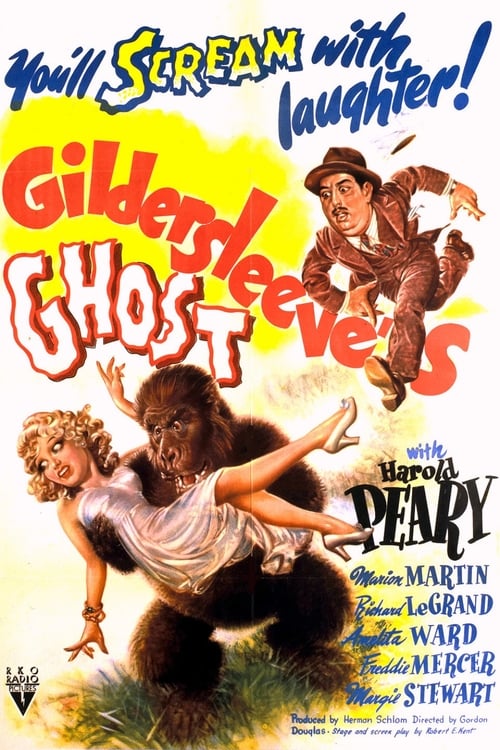
1944
NRDirector
Gordon Douglas
Runtime
63 minutes
Average Rating
No ratings yetNew Showbiz Analysis
Gildersleeve's Ghost is a classic example of the 1940s studio system, emphasizing cultural uniformity and traditional social structures. The film centers on light-hearted comedy and domestic stability without challenging the status quo. The narrative structure reinforces the social norms of its time. It lacks representation for LGBTQ+ identities, racial diversity, or meaningful portrayals of disability, presenting a singular, Anglo-centric view of American society. Overall, the film does not attempt to disrupt conventional expectations or challenge systemic norms, reflecting the mainstream standards of its era.
Category Breakdown
The film adheres to a typical mid-20th century perspective where everyone is assumed to be straight or cisgender. It does not include any LGBTQ+ characters or themes that question this assumption.
The story revolves around traditional 1940s gender roles. The male character is shown as clumsy or ineffective, but this is used for comedic effect rather than critiquing the societal structures.
The cast and setting are predominantly white and middle-class. There are no characters of color or diverse racial backgrounds featured.
The story upholds traditional Western values and emphasizes the stability of the nuclear family. It does not challenge or question established institutions.
Supernatural elements such as ghosts and an invisible woman are used as fantasy devices for comedic purposes. They do not explore physical or neurodivergent disabilities in a meaningful way.
Present on Screen
Limited or Absent
Official Synopsis
Gildersleeve, running for office, is aided by two ghosts and hindered by a mad scientist and an invisible woman.
1956
1948
1947
1937
1941
1945
1940
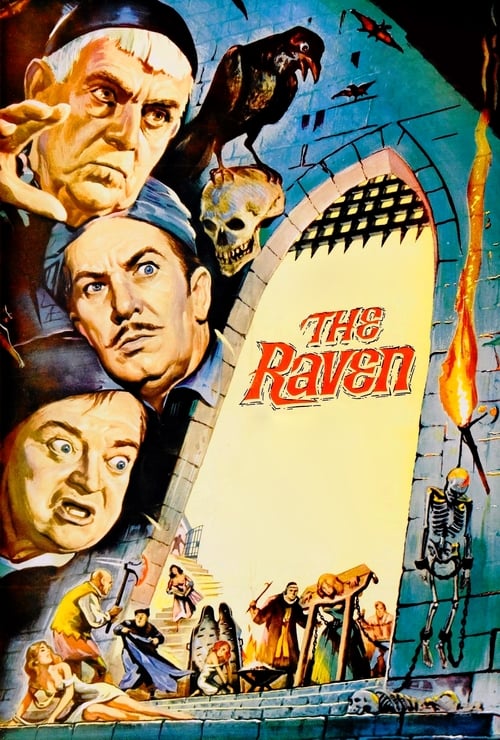
1963
No reviews yet. Be the first to share your thoughts on this movie!
Use the rating form above to leave a star rating and optional review.