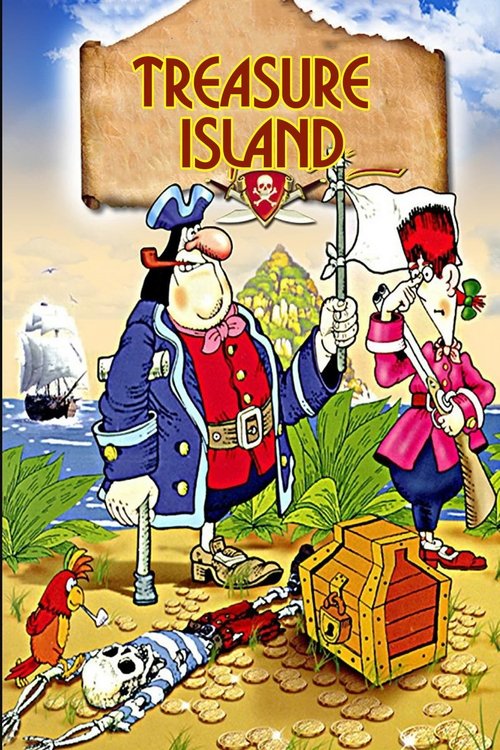
Treasure Island
1989
No user ratings available yet
Representation score: 4.0 out of 10
Representation Score
Limited
1973
GDirector
Hal Sutherland
Runtime
87 minutes
Average Rating
No ratings yetNew Showbiz Analysis
This animated adaptation follows traditional 18th-century maritime themes, emphasizing classic heroism and moral ambiguity. The story prioritizes individual survival and merit over challenging established social norms. While it offers depth in character development, particularly regarding moral dilemmas and disabilities, the narrative remains confined to a narrow, conventional framework. The film's primary strength lies in its nuanced portrayal of moral complexity and the integration of physical disability into character identity. However, the absence of diverse gender, racial, and LGBTQ+ representation limits its scope to a traditional setting. Overall, the work presents a typical mid-20th century adventure, focusing on individual triumph and merit within a homogeneous cultural context.
Category Breakdown
The film does not include any characters with non-straight or non-cisgender identities. The story revolves around heterosexual relationships and male camaraderie without any queer undertones.
The movie is predominantly focused on male characters such as Jim Hawkins and Long John Silver, emphasizing their roles and actions. Female characters are noticeably absent from the main storyline.
The cast features characters that align with a homogeneous European maritime tradition. There is no indication of diverse ethnicities to challenge the traditional Western setting.
The film delves into moral relativism through Long John Silver's complex ethical decisions. However, it upholds a traditional respect for authority without questioning systemic issues.
Long John Silver’s missing limb is an integral part of his identity and role in the story. His disability is presented as a core aspect of his character rather than a stereotype.
Present on Screen
Limited or Absent
Official Synopsis
Young Jim Hawkins, a pirate mouse named Hiccup, Dr. Livesey and Squire Trelawney hire a ship to find the legendary treasure of notorious late pirate Captain Flint. However, Flint's former crewmates plan to take over the ship.
1989
1950
1971

2000
1953

1990
2004
1939
No reviews yet. Be the first to share your thoughts on this movie!
Use the rating form above to leave a star rating and optional review.