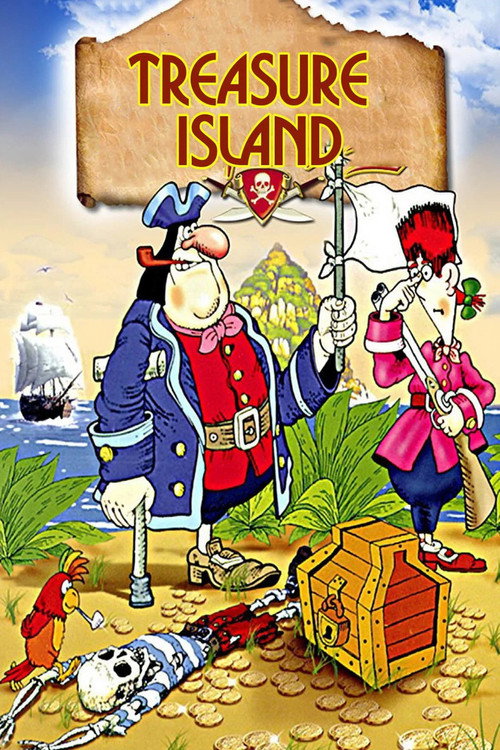
Treasure Island
1988
No user ratings available yet
Representation score: 4.0 out of 10
Representation Score
Fair
1971
Director
Hiroshi Ikeda
Runtime
78 minutes
Average Rating
No ratings yetNew Showbiz Analysis
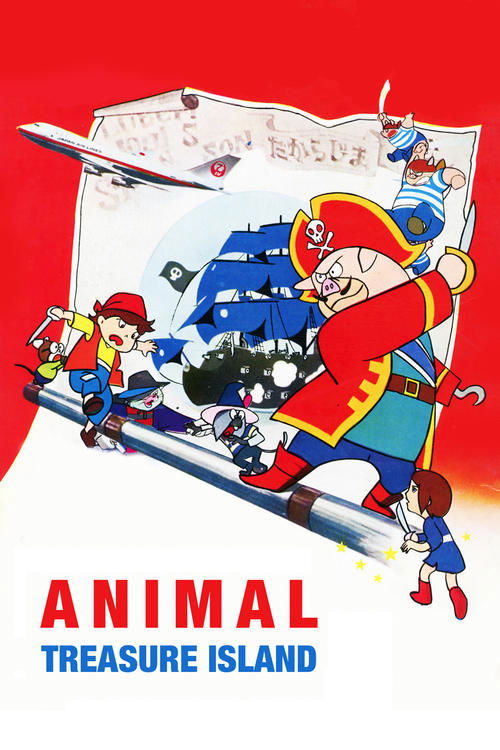
Animal Treasure Island is a traditional adaptation of Robert Louis Stevenson's classic. It serves as a cross-cultural retelling, bringing a Western literary work into a Japanese animated format. The film uses animal characters to create a universal narrative space. This approach helps the story to go beyond specific ethnic lines through a form of color-blind casting. However, the production lacks exploration of diverse identities and adherence to established storytelling structures without providing evidence of challenging systemic hierarchies.
Category Breakdown
The film follows a traditional adventure storyline without clear signs of LGBTQ+ identities. Animal characters can sometimes explore identity, but the movie doesn't show any specific hints of queer themes.
Jim, a traditionally male character, holds most of the ability to act in the story. Although the inclusion of Bub the baby adds a different dynamic, the film does not challenge traditional gender roles.
By using animals as the main characters, the film creates a universal theme that goes beyond human ethnicity. This Japanese version of a Western classic brings together different cultural elements.
The story follows a typical hero’s journey focused on a treasure hunt. It emphasizes individual goals rather than critiquing societal or Western institutions.
There are no characters with visible or invisible disabilities mentioned. Therefore, there is no basis to evaluate the representation of disabilities in this film.
Present on Screen
Limited or Absent
Official Synopsis
A Japanese adaption of Robert Louis Stevenson's Treasure Island, featuring animals as the majority of the cast. By chance Jim comes upon a map of Treasure Island. He leaves the port accompanied by Glan, the rat and Bub, the baby on a strange looking boat of his own make to look for the island. Pirates soon find him and adventure ensues.
1988
1968
1973
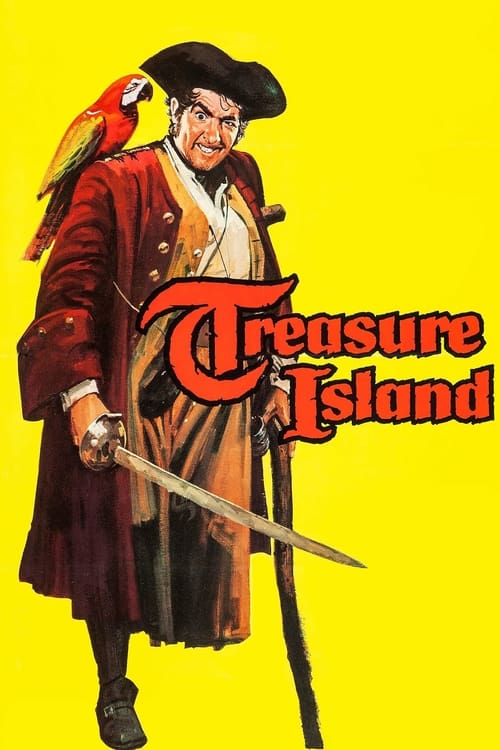
1950
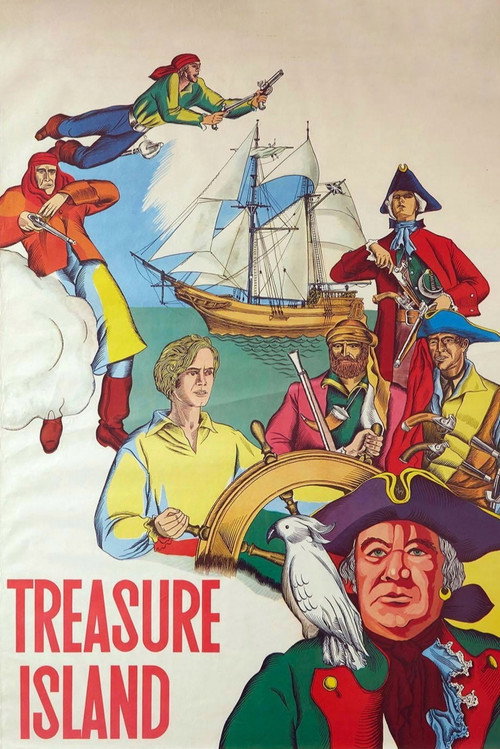
1971
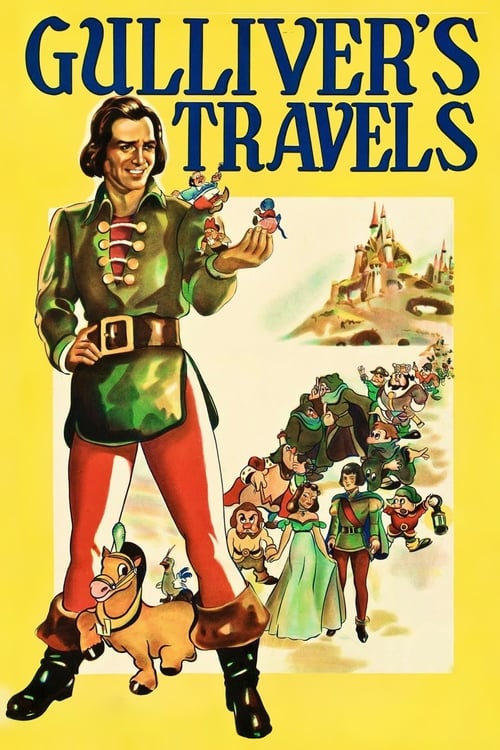
1939
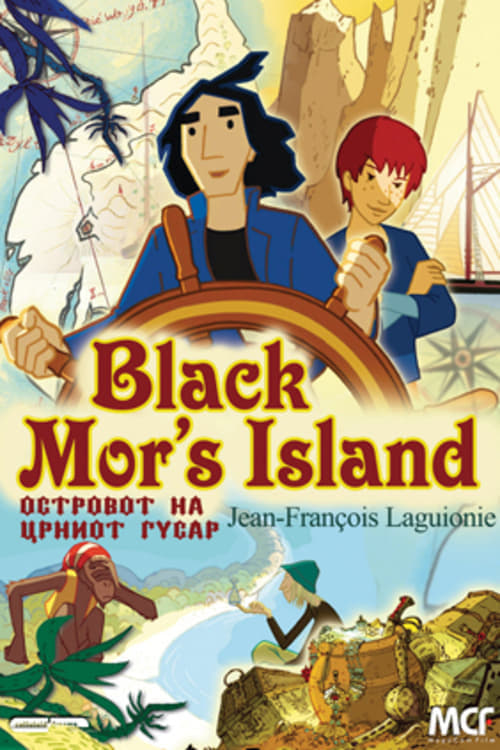
2004
1960
No reviews yet. Be the first to share your thoughts on this movie!
Use the rating form above to leave a star rating and optional review.