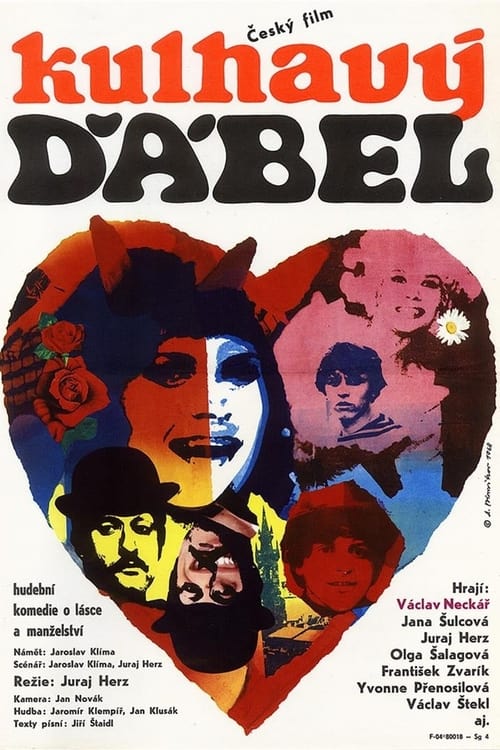
The Limping Devil
1968
No user ratings available yet
Representation score: 5.2 out of 10
Representation Score
Fair
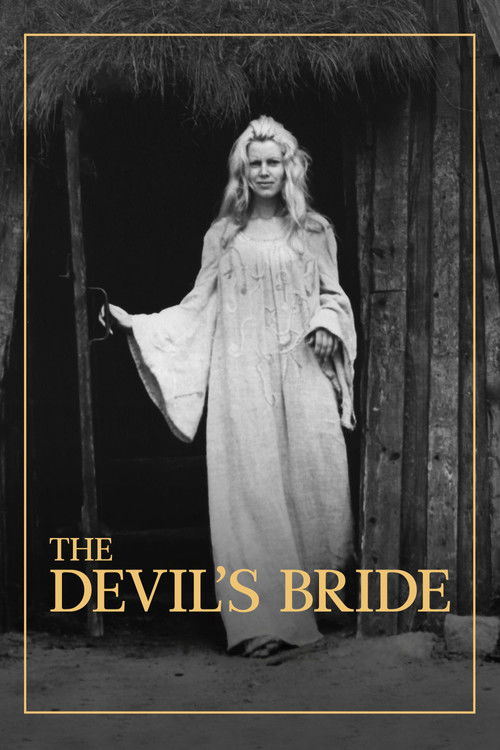
1974
Director
Arūnas Žebriūnas
Runtime
78 minutes
Average Rating
No ratings yetNew Showbiz Analysis
The Devil's Bride is a musical fantasy that uses mythic symbolism to critique religious institutions. By framing the protagonist's fall from grace as a choice for personal happiness rather than a simple moral failure, the film explores themes of individual ability to act and moral relativism. While the film is culturally specific to its Lithuanian origins and lacks multi-ethnic representation, its thematic structure is quite disruptive. It challenges the idea of mandatory spiritual service, positioning the rejection of divine ritual as a path toward self-determination. Ultimately, the film's strength lies in its intellectual subversion of traditional hierarchies, even if its demographic breadth is limited by its historical and regional context.
Category Breakdown
The protagonist's quest for autonomy and happiness hints at a move away from strict religious norms. Though specific LGBTQ+ identities are not detailed, the film's subtext allows space for exploring diverse sexualities and gender identities.
The film centers on a male protagonist's pursuit of romantic freedom. His refusal to accept a subservient role within a divine hierarchy offers a moderate challenge to traditional gender roles and expectations.
Set in 1974 Lithuania, the film focuses on local folklore and European landscapes. There is no indication of multi-ethnic casting, although fantasy elements might include non-human characters to symbolize otherness.
The narrative critiques religious conformity by depicting an angel who chooses earthly life over mandated piety. This prioritizes secular autonomy and personal morality over institutional rules.
The available information does not mention any characters with visible or invisible disabilities.
Present on Screen
Limited or Absent
Official Synopsis
A former angel tires of singing Hosannah, and is now an impish devil condemned to live on Earth. From his home in a windmill, he pursues love and happiness in a hilarious and sometimes tragic turmoil that affects the whole countryside.
1968
1960
1982
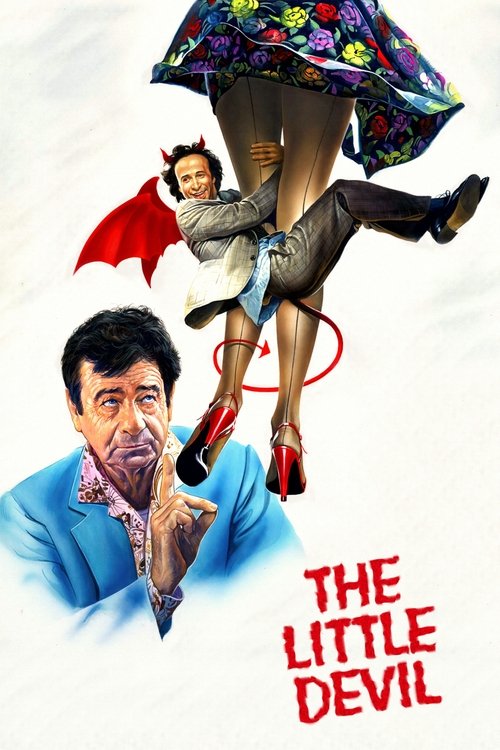
1988
1969
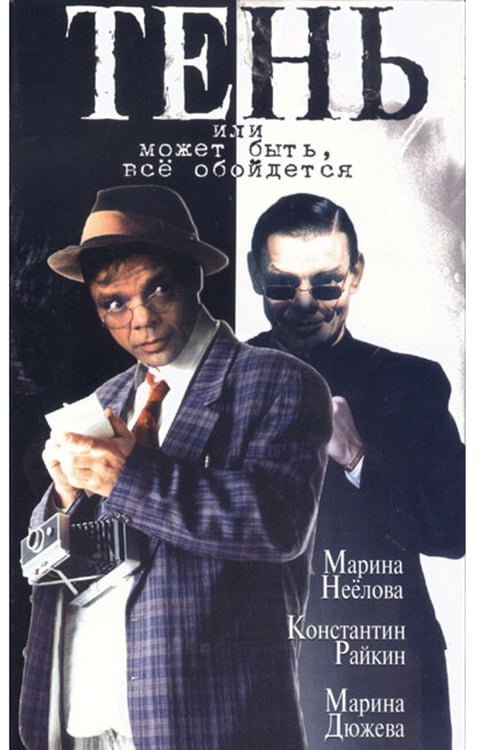
1991

1992
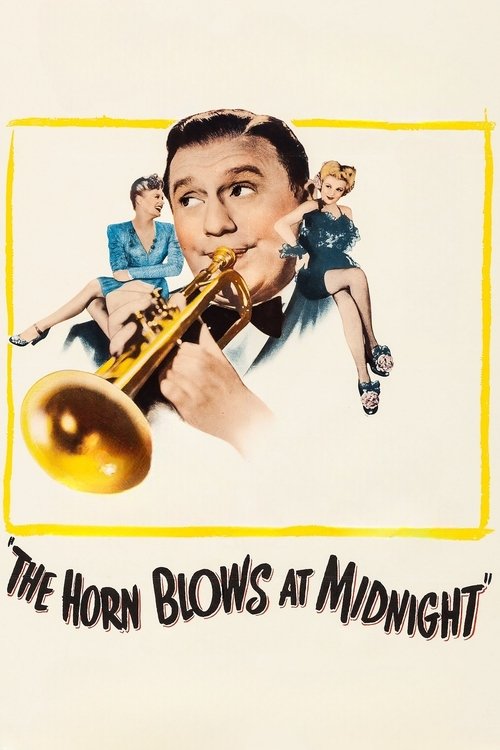
1945
No reviews yet. Be the first to share your thoughts on this movie!
Use the rating form above to leave a star rating and optional review.