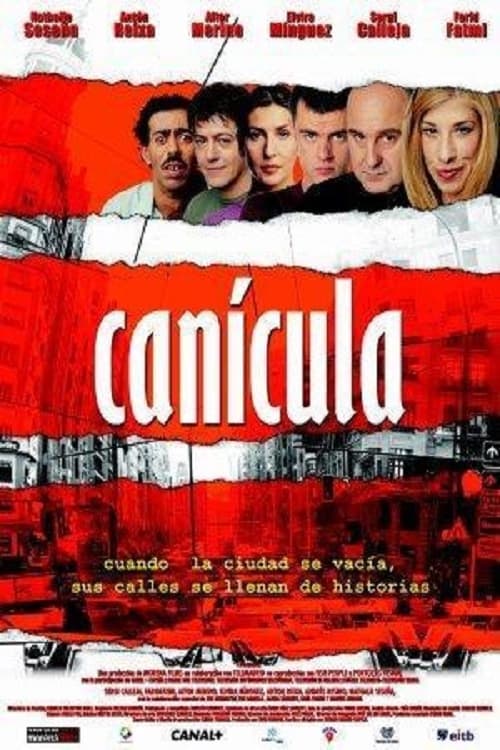
Canícula
2002
No user ratings available yet
Representation score: 7.4 out of 10

Representation Score
Minimal
1967
Director
Mariano Ozores Puchol
Runtime
90 minutes
Average Rating
No ratings yetNew Showbiz Analysis
This comedy serves as a period piece reflecting the social and demographic norms of 1960s Spain. It relies on established archetypes, such as the family man and the bachelor, to drive its plot. The film prioritizes traditional domestic conflicts and social structures. While it captures a specific cultural moment, it does not challenge existing hierarchies or offer diverse perspectives. Ultimately, the narrative is driven by conventional social roles rather than diverse or subversive representation.
Category Breakdown
The film does not include any LGBTQ+ characters or representations of non-straight relationships. The narrative focuses on traditional social structures and heterosexual relationships.
The story centers around male perspectives and their varying levels of independence. Women are primarily shown through the eyes of male protagonists or as part of traditional domestic settings.
The setting and production context suggest a homogeneous demographic typical of 1960s Spain. There is no indication of racial diversity or diverse casting.
The film operates within a conventional framework of mid-20th century Spanish social life. It aligns with traditional Western values regarding family obligations and leisure activities.
There is no mention of characters with visible or invisible disabilities within the narrative.
Present on Screen
Limited or Absent
Official Synopsis
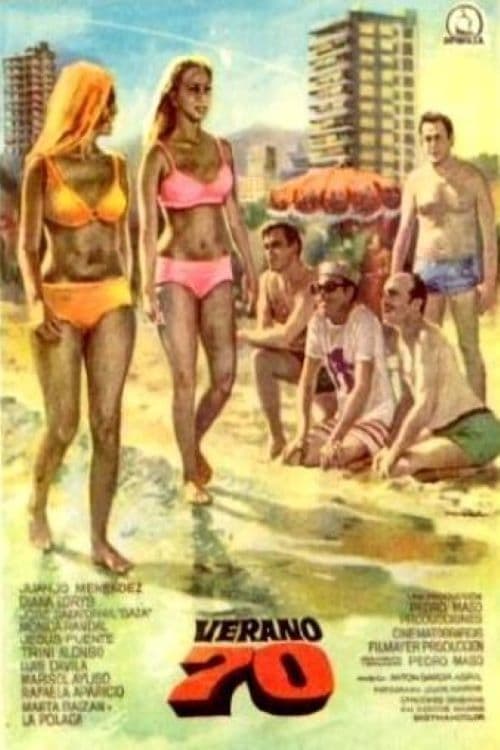
Three men, one scorching Madrid summer, and wildly different escape plans. Evaristo braves the beach chaos with his wife Filomena, dreaming of peace amid tortilla brawls and crowded sands. Máximo retreats to the mountains with his entire clan—mother-in-law included—hoping nature will soothe the family storm. Meanwhile, Jacinto, a gym owner turned solo “rodríguez,” stays behind in the city, savoring his freedom while the family suns in Benidorm.
2002
1980
1970

1973
1973
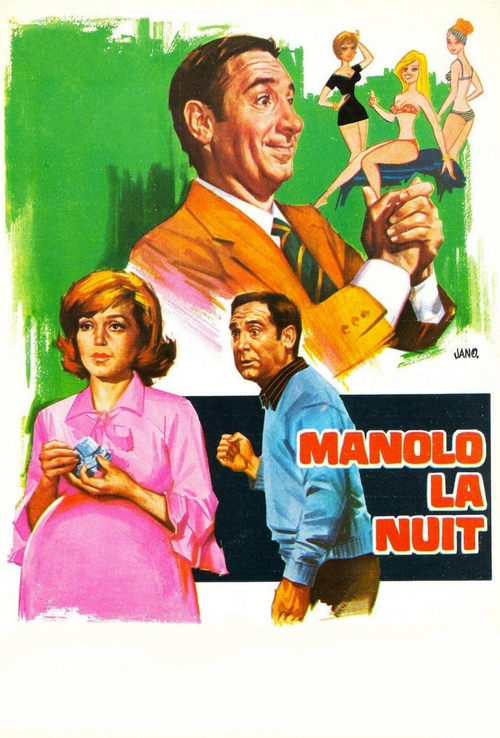
1973
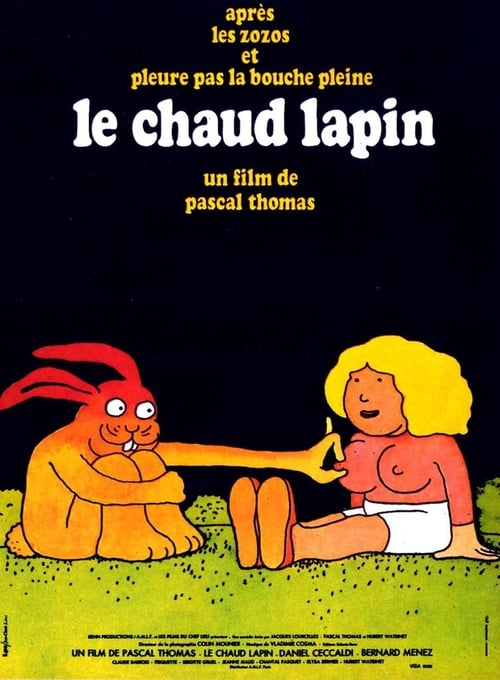
1974
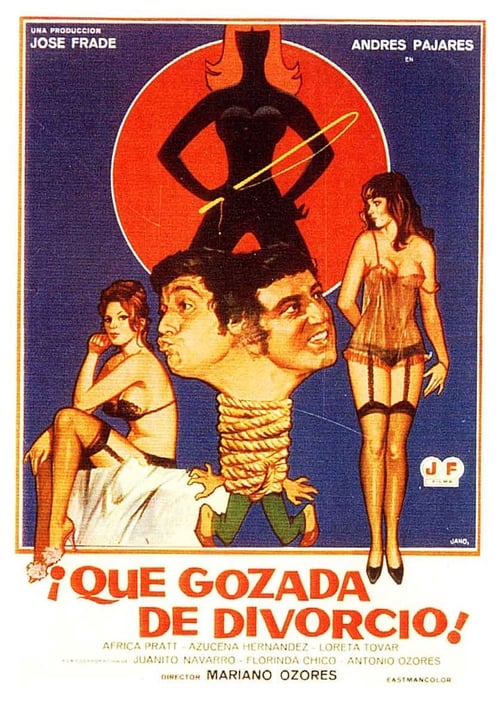
1981
No reviews yet. Be the first to share your thoughts on this movie!
Use the rating form above to leave a star rating and optional review.