
Chance
2009
No user ratings available yet
Representation score: 6.4 out of 10
Representation Score
Excellent
2020
Director
Diego Muñoz
Runtime
82 minutes
Average Rating
No ratings yetNew Showbiz Analysis
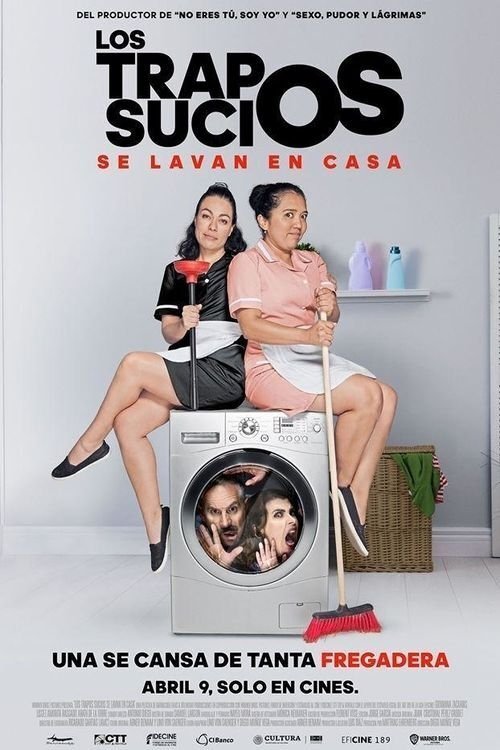
The film serves as a sharp critique of class struggle and domestic hierarchies. By focusing on housemaids who resist mistreatment, the narrative shifts from exploitation to socioeconomic empowerment. While the film excels at exploring labor dynamics and systemic inequities, it offers little visibility regarding LGBTQ+ or disability representation. The focus is strictly on the friction between the working class and the aristocracy. Ultimately, the work uses the domestic sphere to challenge established social institutions and power dynamics.
Category Breakdown
The film does not confirm any LGBTQ+ characters or non-straight identities. Its main focus is on class conflict rather than sexual identity.
Lupita and Toña are the central characters, shifting from passive acceptance to active defiance. This transition challenges traditional views of women as submissive.
The story highlights the tension between an aristocratic Mexican family and their domestic workers. It emphasizes the perspectives of underrepresented workers within a high-status household.
The film critiques traditional class hierarchies and capitalist systems. It questions the sanctity of the private family unit by revealing internal corruption.
There is no specific information regarding the portrayal of physical or neurodivergent disabilities. The representation remains neutral.
Present on Screen
Limited or Absent
Official Synopsis
Lupita and Toña work as housemaids at the Ruíz Palacio’s house, an aristocratic Mexican family. For a long time they have been mistreated and poorly paid. They’re now fed up with the abuse and lack of respect they get from their employers.
2009
2000
2024
2009

2020

2012

2013
2024
No reviews yet. Be the first to share your thoughts on this movie!
Use the rating form above to leave a star rating and optional review.