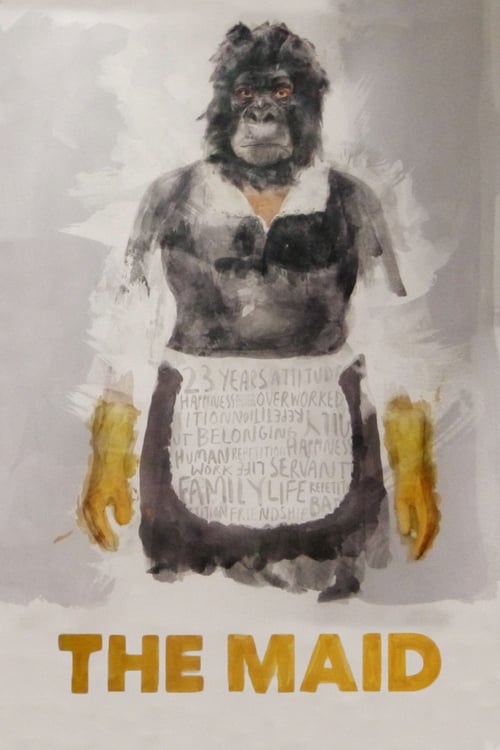
The Maid
2009
No user ratings available yet
Representation score: 7.6 out of 10

Representation Score
Good
2012
Director
Dominique Cardona, Laurie Colbert
Runtime
90 minutes
Average Rating
No ratings yetNew Showbiz Analysis
Margarita serves as a sophisticated social critique that intertwines immigration, sexual orientation, and class struggle. The film succeeds by prioritizing the roles of underrepresented figures to drive the narrative, rather than treating them as secondary elements. The multi-layered approach connects the personal lives of the protagonists to larger systemic failures. However, the film lacks representation regarding physical or neurodivergent disabilities.
Category Breakdown
The film focuses on Margarita, a lesbian character whose identity is crucial to the main conflict. Her non-straight identity is central to the high-stakes deportation crisis, avoiding superficial representation.
The story challenges the idealized nuclear family by highlighting the resentment between partners in a failing relationship. Female characters, including the daughter and the nanny, play key roles in driving the plot.
By centering a Mexican immigrant, the film challenges typical Western narratives and highlights the broader societal issues stemming from class-based decisions. It shifts the focus away from a homogeneous Western perspective.
The narrative critiques Western socioeconomic structures by exposing the fragility of the upper-middle-class lifestyle. It uses the theme of deportation to challenge institutional systems and the stability of capitalism.
There is no visible evidence regarding the portrayal of physical or neurodivergent disabilities within the film's narrative.
Present on Screen
Limited or Absent
Official Synopsis
Behind the facade of a beautiful urban home, a combination of complacency and bad investments has left power couple Ben and Gail disconnected, resentful and just about broke. When the cash-strapped yuppies fire their teen-aged daughter's lesbian Mexican nanny, Margarita, they set off a chain of events that lead to her deportation.
2009

2002

2009

1994

2014

2014

2020

2007
No reviews yet. Be the first to share your thoughts on this movie!
Use the rating form above to leave a star rating and optional review.