
Chance
2009
No user ratings available yet
Representation score: 6.4 out of 10
Representation Score
Good
2020
Director
Javier Fuentes-León
Runtime
105 minutes
Average Rating
No ratings yetNew Showbiz Analysis
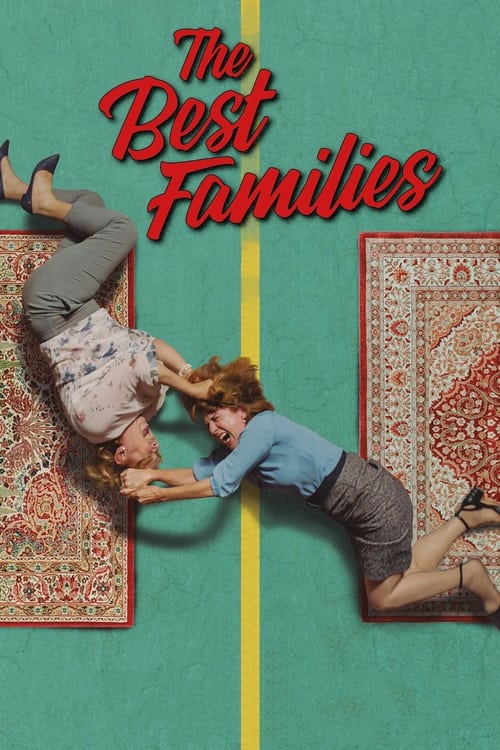
The Best Families is a sophisticated critique of social stratification. Using an 'upstairs and downstairs' structure, the film exposes the false sense of social integration between domestic workers and the aristocracy. Urban protests disrupt the fragile stability of the upper class. The film excels at exploring the intersection of class, labor, and ethnicity. It goes beyond simple character studies to examine how systemic inequality maintains the moral distance between different socioeconomic groups. While the film offers strong themes around gender and class, it lacks explicit confirmation of specific LGBTQ+ identities or disability representation. The focus remains primarily on the friction between established social hierarchies.
Category Breakdown
The film hints at non-traditional sexual orientations within aristocratic settings, though specific identities are not confirmed. The narrative structure suggests a challenge to conventional family expectations.
Female characters like Luzmila, Peta, Alicia, and Carmen play key roles in driving the story. The film emphasizes women's ability to lead and make decisions independently of patriarchal control.
The story highlights the racialized aspects of labor within Peruvian society. It centers domestic workers and their interactions with the aristocracy, providing meaningful representation.
The film critiques the stability of the landed aristocracy through civil unrest. It portrays the existing social order as an unstable, Western-aligned institution.
There is no evidence of characters with visible or invisible disabilities within the narrative.
Present on Screen
Limited or Absent
Official Synopsis
Luzmila and Peta are two sisters who come from a modest environment and work as housemaids for Alicia and Carmen, two aristocratic ladies of Peru. They are almost considered a part of the families or, at least, that’s what it seems… But one day, as the city is taken over by violent protests, a birthday celebration gathers all the members of both families together. A long-held secret involving both households — upstairs and downstairs — is suddenly revealed, blowing up the bubble of their perfect aristocratic world forever.
2009
2015
2020

2022
2024
2009

2012

2018
No reviews yet. Be the first to share your thoughts on this movie!
Use the rating form above to leave a star rating and optional review.