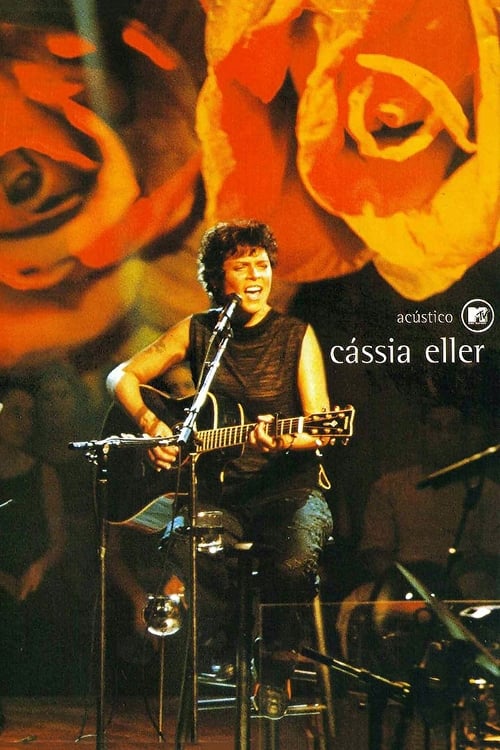
Acústico MTV: Cássia Eller
2001
No user ratings available yet
Representation score: 5.8 out of 10
Representation Score
Fair
2003
Director
Romi Atarashi
Runtime
71 minutes
Average Rating
No ratings yetNew Showbiz Analysis
Acústico MTV serves as a vibrant cultural document that uses musical collaboration to disrupt traditional rock hierarchies. Its primary strength lies in weaving diverse racial and regional textures into a mainstream format. The production succeeds by integrating Black Brazilian musical traditions, such as Samba and Manguebeat, through its guest roster and repertoire. This creates a multi-ethnic sonic landscape that feels authentically Brazilian. However, the film remains limited by its nature as a concert documentary. It lacks explicit engagement with LGBTQ+ themes, disability representation, or deep explorations of gender roles beyond musical participation.
Category Breakdown
The film does not explore LGBTQ+ identities or dynamics beyond the musical performances. The focus remains on the technical and sonic aspects of the show.
Female artists like Negra Li provide a counterpoint to the male-dominated rock genre. However, the score focuses more on the music itself than on exploring the roles of female performers.
The film showcases a blend of racial backgrounds through guests like Negra Li and Marcelo D2. Performing works by Jorge Ben Jor and Chico Science integrates Black Brazilian traditions into mainstream rock.
The concert blends rock with Samba and regional styles, promoting a pluralistic view of Brazilian identity. This challenges Western-centric pop structures in favor of local traditions.
There is no visible representation of physical or neurodivergent disabilities within the performance or documentation.
Present on Screen
Limited or Absent
Official Synopsis
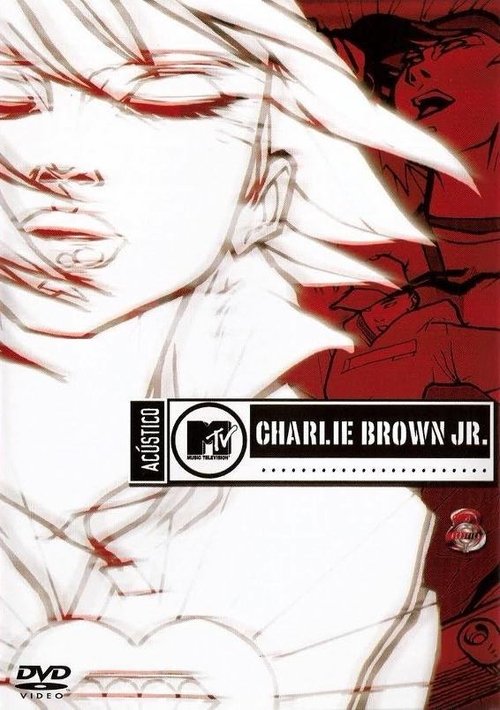
The acoustic album of the Brazilian band Charlie Brown Jr. broadcast on MTV Brazil. The album contains interviews with the band and the making-of video recording, and features music known to the public, along with new songs "Vícios e Virtudes" and "Não Uso Sapato". The concert, which was recorded in São Paulo, with the participation of special guests. Marcelo Nova, Negra Li, the group RZO Marcelo D2 and sang with the Acoustic whiner. The repertoire some recordings of other composers, such as "Samba Makossa" (Chico Science, with special participation of Marcelo D2), "Hoje" (Marcelo Nova), with participation of the artist himself and "Oba Lá Vem Ela" (Jorge Ben Jor).
2001
2000
1992
2004
1981
2007
2021
2005
No reviews yet. Be the first to share your thoughts on this movie!
Use the rating form above to leave a star rating and optional review.