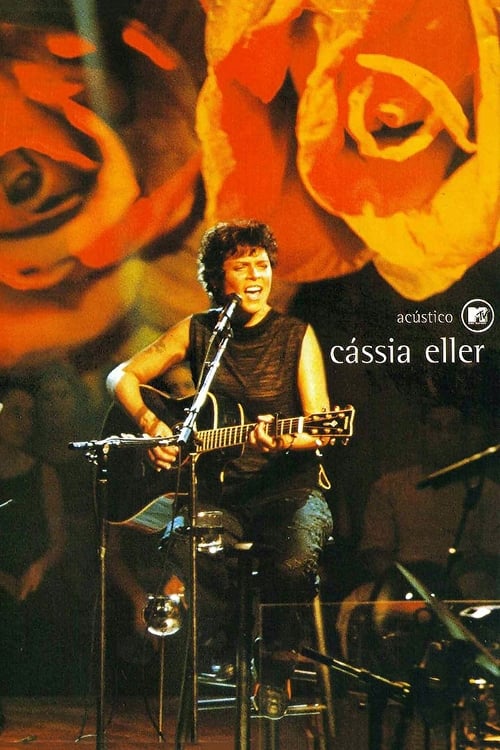
Acústico MTV: Cássia Eller
2001
No user ratings available yet
Representation score: 5.8 out of 10
Representation Score
Minimal
2000
Director
Rodrigo Carelli
Runtime
0 minutes
Average Rating
No ratings yetNew Showbiz Analysis
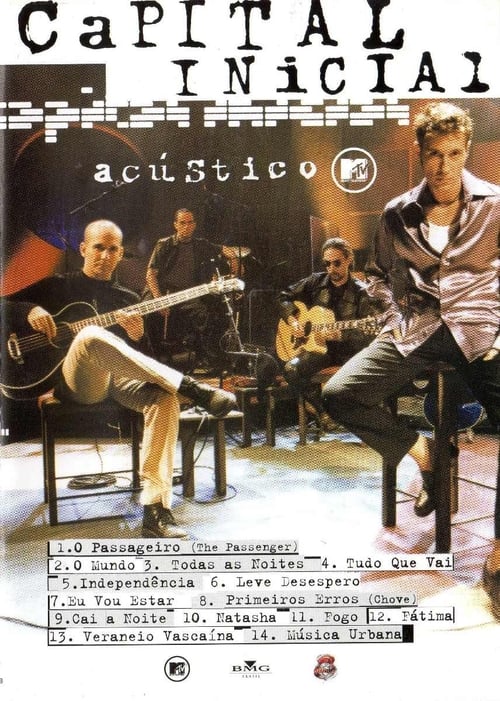
Acústico MTV serves as a musical document of Capital Inicial's resurgence, emphasizing sound performance over deep narrative exploration. Being a concert film, it lacks the structure needed to delve into complex social identities or power dynamics. The production aligns with commercial expectations for music programs. While it features female guest vocalists, the overall demographic makeup remains typical for the Brazilian rock scene of the year 2000. Ultimately, the work is a celebration of musical heritage rather than a platform for sociopolitical discourse. Its lower diversity score reflects the genre's focus on music rather than diverse representation.
Category Breakdown
The production focuses solely on the musical reinterpretation of Capital Inicial’s songs. There are no direct representations of LGBTQ+ identities or non-traditional gender expressions.
The main band is mostly made up of men, although female guest artists like Zélia Duncan add some gender diversity. The performance doesn't challenge traditional gender roles.
The cast includes Brazilian artists representing the music industry of the time. The work avoids harmful racial stereotypes but doesn’t actively promote racial diversity.
As an MTV production, the film follows typical commercial standards. It celebrates rock music without critiquing Western or capitalist structures.
The performance centers on the musical performances of the band and guests. There is no indication of performers with visible or invisible disabilities being included.
Present on Screen
Limited or Absent
Official Synopsis
Acústico MTV é o álbum acústico da banda brasileira Capital Inicial, lançado em formato CD e DVD. Ele faz parte da série Acústico MTV da emissora MTV Brasil. Foi lançado em 2000. O álbum fez grande sucesso e emplacou seis músicas nas paradas musicais (Tudo Que Vai, Primeiros Erros, Natasha, Cai a Noite, Independência e Fogo), consagrando o ressurgimento estrondoso da banda, que teve início no álbum Atrás dos Olhos, lançado em 1998. Os convidados especiais para esta performance foram: Kiko Zambianchi (que, em nota, afirmou à Revista MTV que fora convidado porque "ninguém na banda sabia tocar violão") e Zélia Duncan.
2001
2003
1992
2004
2000
1981
2007
2021
No reviews yet. Be the first to share your thoughts on this movie!
Use the rating form above to leave a star rating and optional review.