Behind the Burly Q
2010
No user ratings available yet
Diversity score: 5.8 out of 10
2012
NRDirector
Leslie Zemeckis
Runtime
95 minutes
Average Rating
No ratings yetSynopsis
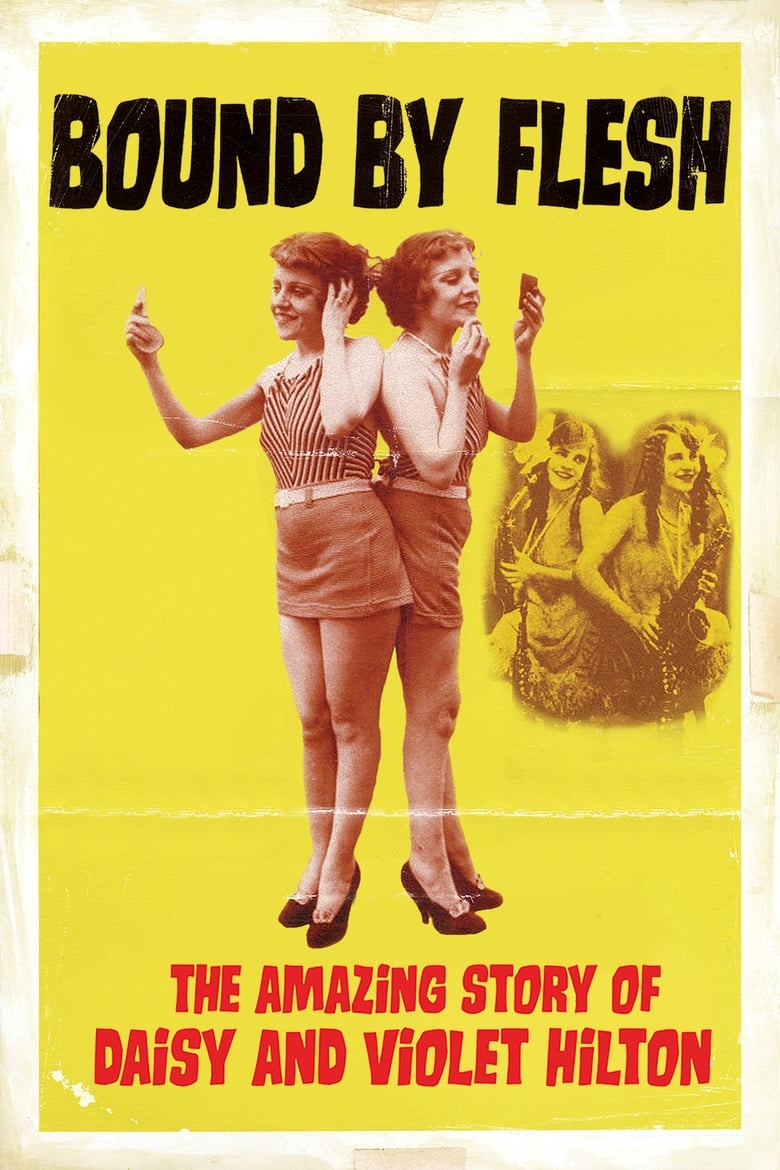
Conjoined twins Daisy and Violet Hilton were once the cream of the sideshow crop. Taught to sing and dance at an early age, the winsome duo ascended through the early 20th-century vaudeville circuit as a side attraction (working alongside Bob Hope and Charlie Chaplin as well as a memorable turn in the Tod Browning classic "Freaks") before a cascade of unscrupulous management and harsh mistreatment brought their careers (and lives) tumbling down. This engrossing glimpse into a bygone era is filled with fascinating interviews and rare archival footage.
Overall Score
Fair
Category Breakdown
LGBTQ+ Representation
The film does not explicitly engage with queer identity or heteronormativity. While it explores lives lived outside normative physical experiences, it remains neutral regarding sexual orientation.
Gender Representation
The narrative centers on female agency within a male-dominated industry. It examines the transition of the Hilton twins from objects of spectacle to subjects of their own history.
Racial & Ethnic Diversity
Set in the early 20th-century vaudeville circuit, the film lacks evidence of racial blending. The historical context suggests the presence of traditional racial hierarchies.
Religious & Cultural Diversity
The documentary critiques historical capitalism by highlighting predatory management and exploitation. It avoids wholesome nostalgia to focus on the systemic mistreatment of its subjects.
Disability Representation
The film grants significant agency to individuals with physical differences. It uses archival footage to move beyond sideshow tropes toward a nuanced depiction of neuro-physical diversity.
Strengths
Areas for Improvement
AI Analysis
Bound by Flesh succeeds as a respectful biographical study that prioritizes the agency of its subjects. By centering the lived experiences of Daisy and Violet Hilton, the documentary avoids treating them as mere curiosities, instead providing a voice to their historical narrative. However, the film's impact is limited by a lack of explicit engagement with LGBTQ+ identities or racial intersectionality. While it provides a strong critique of the predatory entertainment industry, it does not appear to actively subvert the racial hierarchies inherent to the early 20th-century setting. Ultimately, the documentary's strength lies in its treatment of physical disability. It elevates the subjects from sideshow attractions to historical figures, offering a meaningful deconstruction of exploitation.
2010
2006
2008
2017

1980
2004
2011
2003
2016
2001
1997
1972
No reviews yet. Be the first to share your thoughts on this movie!
Use the rating form above to leave a star rating and optional review.