
There's Something Wrong with Aunt Diane
2011
No user ratings available yet
Diversity score: 5.8 out of 10
2008
RDirector
Sean Donnelly
Runtime
64 minutes
Average Rating
No ratings yetSynopsis
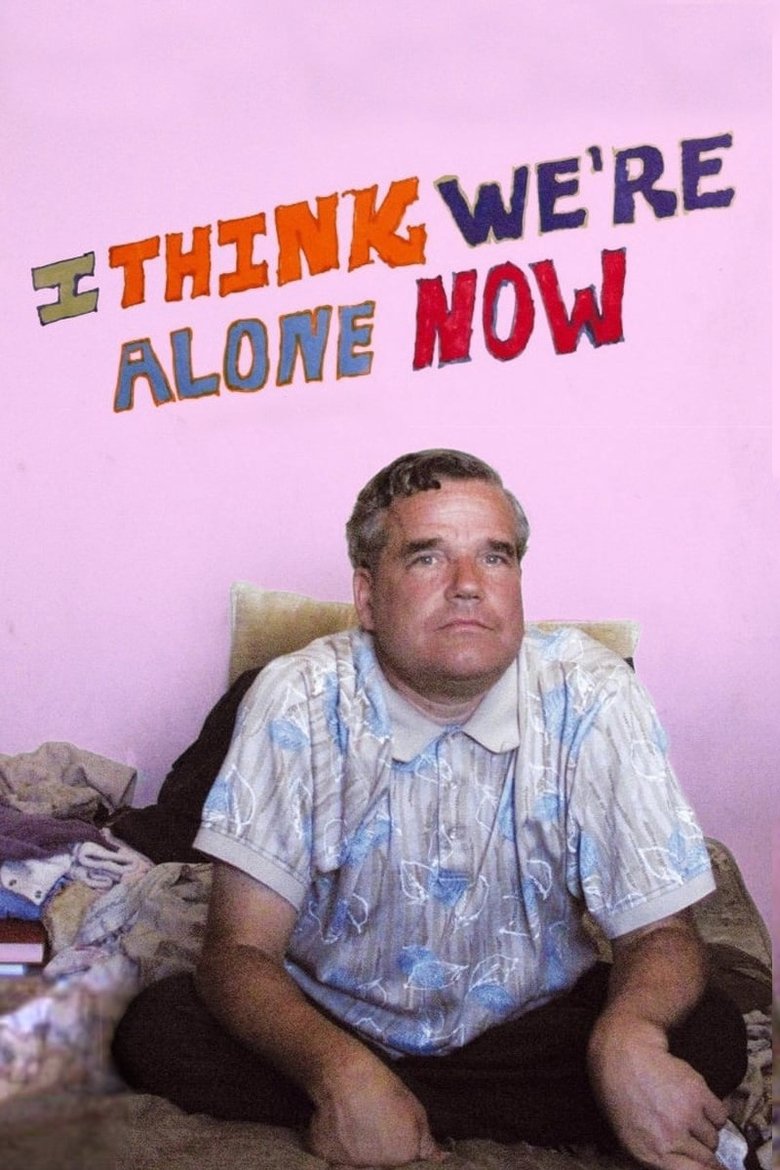
Every celebrity deals with his or her share of obsessed fans. "I Think We're Alone Now" is a documentary that focuses on two individuals, Jeff and Kelly, who claim to be in love with the 80's pop singer Tiffany. Jeff Turner, a 50-year-old man from Santa Cruz, California has attended Tiffany concerts since 1988. Diagnosed with Asperger's syndrome, he never had a girlfriend. Jeff spends his days hanging out on the streets of Santa Cruz, striking up conversations with anyone who has a moment to spare. Kelly McCormick is a 38-year-old hermaphrodite from Denver, Colorado, who claims to have been friends with Tiffany as a teenager. She credits Tiffany as the shining star who has motivated her to do everything in her life. Both Jeff and Kelly have been labeled stalkers by the media and other Tiffany fans. This film takes you inside the lonely lives these two characters, revealing the source of their clinging obsessions...
Overall Score
Good
Category Breakdown
LGBTQ+ Representation
The film centers on Kelly McCormick, an intersex woman, integrating her identity into her personal history. This approach avoids treating her existence as a mere spectacle, offering a nuanced look at non-cisnormative identities.
Gender Representation
The documentary subverts traditional masculine tropes through Jeff Turner's vulnerability. His struggle with social scripts disrupts conventional expectations of assertive, dominant male performance.
Racial & Ethnic Diversity
The subjects inhabit a predominantly white, Western social landscape. The narrative focuses on celebrity obsession within a localized American context rather than utilizing diverse ethnic ensembles.
Religious & Cultural Diversity
The film critiques rigid media judgments by reframing 'stalkers' through an empathetic lens. It prioritizes the subjects' subjective truths over standardized social norms and institutional moralism.
Disability Representation
Jeff Turner's Asperger's syndrome is presented as a fundamental part of his worldview. The film grants him agency and dignity, avoiding the pitfalls of 'inspiration porn.'
Strengths
Areas for Improvement
AI Analysis
Sean Donnelly’s documentary succeeds as a sophisticated character study that challenges the boundaries of normalcy. By centering on neurodivergent and intersex individuals, the film moves away from judgmental frameworks to explore complex human connections. The strength of the film lies in its refusal to treat marginalized identities as plot devices. Jeff Turner and Kelly McCormick are granted agency, allowing their internal logic and lived realities to drive the narrative rather than serving as mere objects of curiosity. However, the film remains limited by its narrow demographic scope. The focus on a specific, predominantly white social landscape results in a lack of racial and ethnic diversity within the presented environment.
2011
2009

2016
2011
2015
2011
2015
2016
2015
2015
2010
2016
No reviews yet. Be the first to share your thoughts on this movie!
Use the rating form above to leave a star rating and optional review.