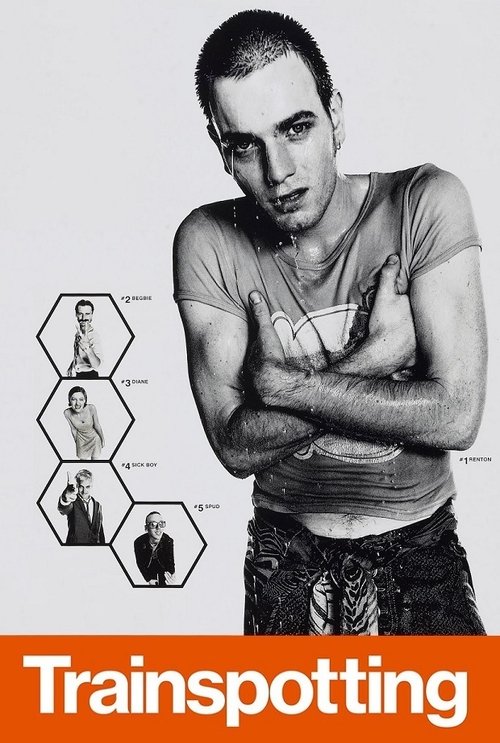
Trainspotting
1996
No user ratings available yet
Representation score: 5.2 out of 10

Representation Score
Good
1989
RDirector
Gus Van Sant
Runtime
102 minutes
Average Rating
No ratings yetNew Showbiz Analysis
Gus Van Sant’s work excels at exploring underrepresented subcultures and deconstructing conventional social structures. The film effectively critiques middle-class stability and traditional morality through a lens of melancholic necessity. However, the film is limited by its lack of racial and ethnic diversity, focusing instead on a homogeneous group. This narrows the breadth of its social commentary. Ultimately, the film stands as a significant piece of countercultural cinema, prioritizing the subjective experiences of outsiders within a narrow demographic scope.
Category Breakdown
The film does not explicitly include LGBTQ+ identities or relationships outside the norm. However, it reflects the aesthetics of New Queer Cinema through its focus on transient, non-conformist lifestyles.
The film disrupts traditional gender hierarchies as addiction weakens patriarchal leadership. Female characters such as Dianne and Nadine play significant roles in their criminal subculture.
The cast is primarily made up of a homogeneous, white subculture. There is a notable absence of diverse racial or ethnic backgrounds among the main characters.
The film provides a sophisticated critique of Western institutions and stability. It romanticizes a nomadic, anti-capitalist lifestyle and portrays drug use with nuanced, non-judgmental realism.
Physical disabilities are not central to the story, but the film explores chemical dependency as a chronic condition. Addiction is part of the characters' identities rather than just a plot device.
Present on Screen
Limited or Absent
Official Synopsis
Portland, Oregon, 1971. Bob Hughes is the charismatic leader of a peculiar quartet, formed by his wife, Dianne, and another couple, Rick and Nadine, who skillfully steal from drugstores and hospital medicine cabinets in order to appease their insatiable need for drugs. But neither fun nor luck last forever.
1996
1992

2015

1991
2000

1955
1967
1971
No reviews yet. Be the first to share your thoughts on this movie!
Use the rating form above to leave a star rating and optional review.