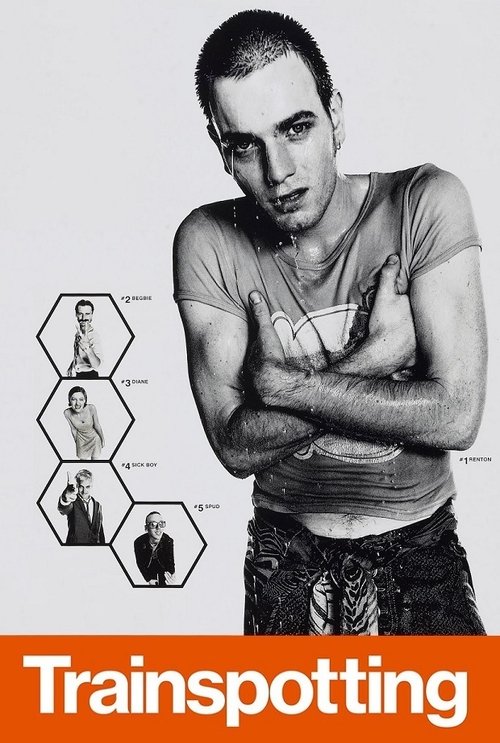
Trainspotting
1996
No user ratings available yet
Representation score: 5.2 out of 10
Representation Score
Good
2002
RDirector
Spike Lee
Runtime
135 minutes
Average Rating
No ratings yetNew Showbiz Analysis
Spike Lee’s direction offers a sophisticated critique of institutional authority and moral binaries. The film’s strength lies in its systemic critique and its portrayal of the tension between personal ability to act and socioeconomic circumstances. While the film may not excel in explicit identity-based representation, it succeeds in depicting a diverse urban landscape. It moves beyond homogeneous depictions to highlight the interplay between personal ability to act and socioeconomic factors. Ultimately, the work prioritizes psychological depth and institutional critique over a broad range of identity-based narratives.
Category Breakdown
The film adheres to a conventional focus on straight relationships, lacking representation of non-traditional gender identities or critiques of the assumption that everyone is straight or cisgender.
The story centers around male camaraderie, yet female characters such as Miranda play crucial roles as emotional anchors rather than mere accessories.
Spike Lee portrays the complex racial dynamics of post-9/11 New York City, exploring how race intersects with socioeconomic status and the legal system.
The film effectively critiques Western institutions, showing legal and parole systems as oppressive barriers. It highlights systemic desperation through an anti-capitalist lens.
The story emphasizes the protagonist's psychological struggles, including anxiety and paranoia, without resorting to simplistic portrayals of mental health issues.
Present on Screen
Limited or Absent
Official Synopsis
On the eve of a seven-year prison sentence, a New York drug dealer spends his final day of freedom confronting his past, his relationships, and the choices that led to his downfall in a city still reeling from 9/11.
1996

2001
2009
1994
1984

1995
1978

1992
No reviews yet. Be the first to share your thoughts on this movie!
Use the rating form above to leave a star rating and optional review.