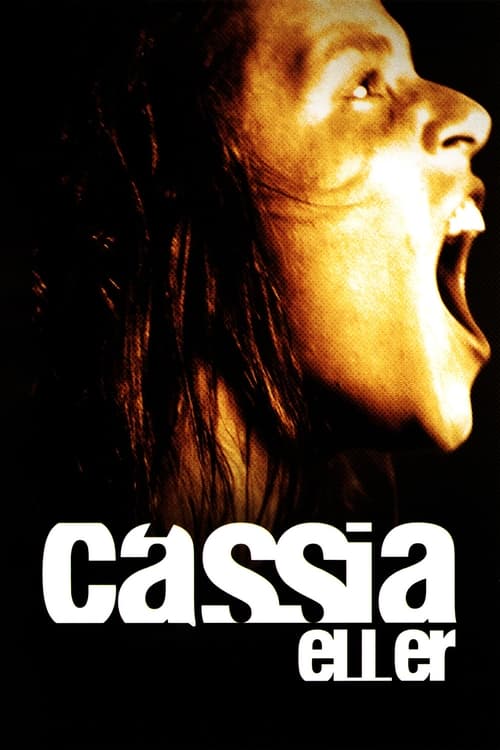
Cássia
2015
No user ratings available yet
Diversity score: 7.8 out of 10
2016
GDirector
Rafael Saar
Runtime
116 minutes
Average Rating
No ratings yetSynopsis
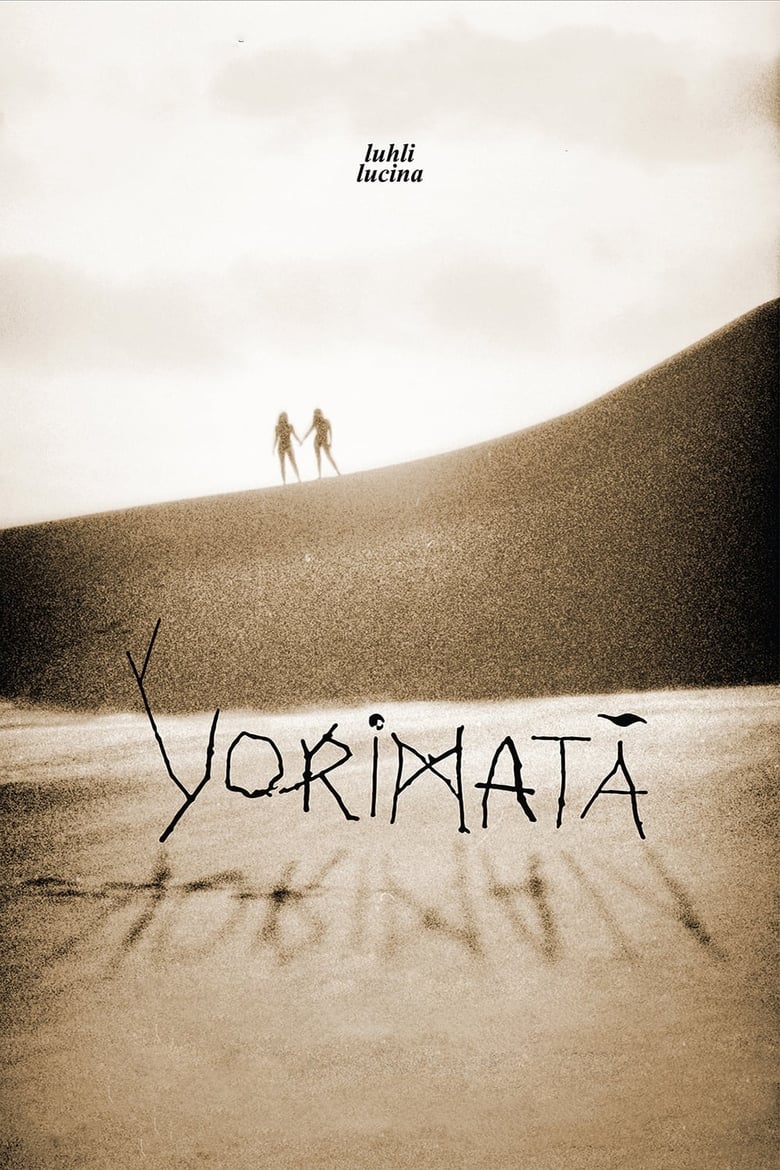
The lives of Luhli and Lucina, two especially important artists in the alternative cultural scene during the 1970s. In a time when transgression, love and peace guided behavior, we discover the love of two women for art, their spiritual universe, their lives in community and their three-way relationship with photographer Luiz Fernando Borges da Fonseca.
Overall Score
Excellent
Category Breakdown
LGBTQ+ Representation
The film centers on a non-heteronormative triad involving two women and a male partner. It validates queer intimacy by exploring their romantic and spiritual bonds.
Gender Representation
Luhli and Lucina are portrayed as primary artistic and intellectual drivers. The narrative avoids domestic tropes, focusing instead on their creative agency and spiritual legacies.
Racial & Ethnic Diversity
The film explores alternative lifestyles that intersect with diverse cultural identities. However, it lacks explicit detail regarding specific ethnic compositions or racial intersectionality.
Religious & Cultural Diversity
The documentary celebrates communal living and spiritual subjectivity over traditional Western norms. It frames the 1970s through a lens of transgression and anti-establishment values.
Disability Representation
There is no evidence within the film's description regarding the portrayal of physical or neurodivergent disabilities.
Strengths
Areas for Improvement
AI Analysis
Yorimatã is a documentary that thrives on the subversion of traditional social structures. By centering a three-way relationship and communal living, it moves away from conventional monogamous and capitalist family models. The film succeeds in elevating women as central protagonists with significant artistic and spiritual authority. This focus disrupts standard gender hierarchies, presenting the subjects as leaders of their own cultural movement. While the film excels in depicting unconventional intimacy and progressive cultural values, it offers less clarity regarding specific racial or ethnic representation. It remains a strong study of 1970s counterculture and non-traditional identity.
2015
2017
2008

2008
2022

2007

2018
2009
2017
2006
2015
2019
No reviews yet. Be the first to share your thoughts on this movie!
Use the rating form above to leave a star rating and optional review.