
Here to be Heard: The Story of The Slits
2018
No user ratings available yet
Diversity score: 7.6 out of 10
2017
Director
Philip Cox
Runtime
54 minutes
Average Rating
No ratings yetSynopsis
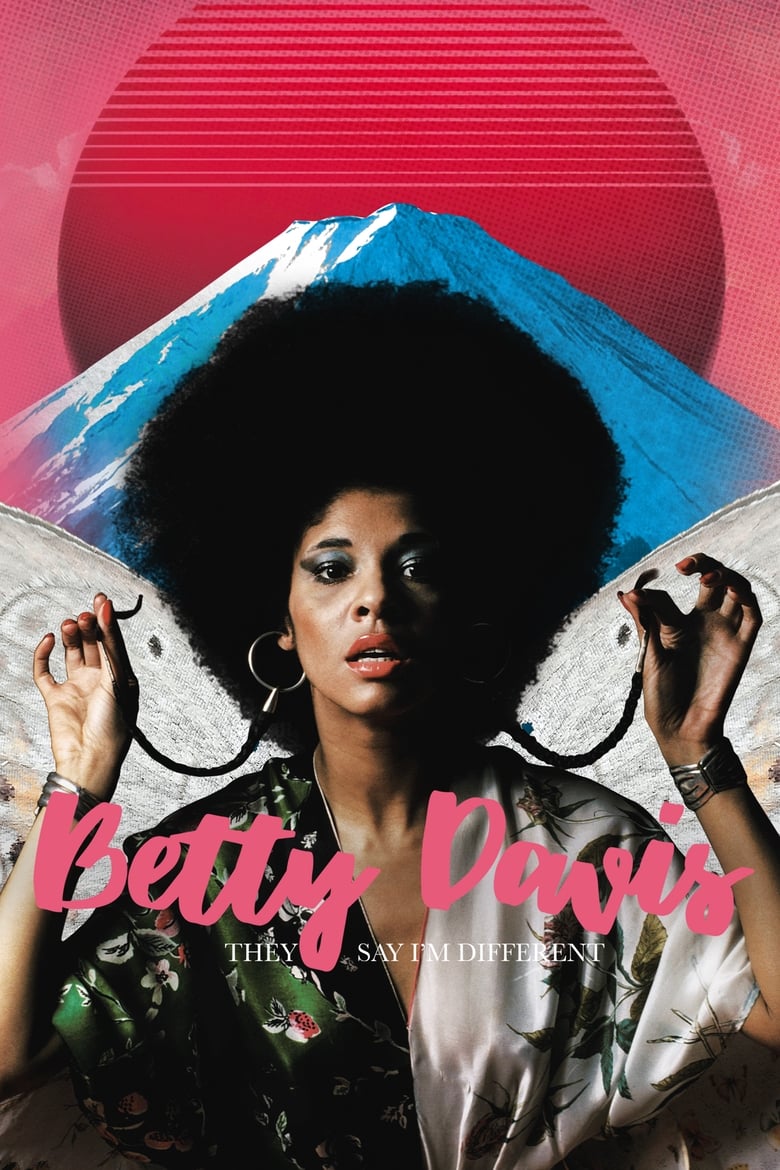
An aspiring songwriter from a small steel town, Betty Mabry Davis arrived on the scene to break boundaries for women with her daring personality, iconic fashion style and outrageous funk. She befriended Jimi Hendrix and Sly Stone, wrote songs for the Chambers Brothers and The Commodores and married Miles Davis, turning him from jazz to funk and then went on to ignite stages in the 70s with her sassy sexed up mix of hard rock and bluesy funk, inspiring artists from Prince to Erykah Badu to Karen 0 and Peaches. Then she vanished…
Overall Score
Good
Category Breakdown
LGBTQ+ Representation
The film centers on the heteronormative marriage between Davis and Miles Davis. While it lacks explicit queer character arcs, it explores a non-traditional lifestyle that rejects mid-century social rigidity.
Gender Representation
Davis is portrayed as a primary driver of musical innovation rather than a passive muse. She commands authority in male-dominated rock and funk spaces, subverting submissive feminine archetypes.
Racial & Ethnic Diversity
The narrative highlights Davis’s deep integration into Black musical excellence. Her collaborations with pioneers like Jimi Hendrix and Sly Stone emphasize a transformative, cross-cultural creative space.
Religious & Cultural Diversity
The documentary celebrates counter-cultural expression and non-conformist style. It prioritizes individualistic, outrageous expression over the predictable trajectories found in mainstream Western celebrity culture.
Disability Representation
There is no significant evidence regarding the portrayal of physical or neurodivergent disabilities as central narrative drivers in this biographical context.
Strengths
Areas for Improvement
AI Analysis
Philip Cox’s documentary offers a sophisticated look at a woman who disrupted mid-century social and musical hierarchies. By centering Betty Davis, the film moves beyond traditional biographical tropes to explore how one individual can catalyze genre evolution. The film excels at showcasing female agency and intersectional musical histories. Davis is presented as a powerful force in hard rock and funk, navigating high-agency roles within predominantly male-dominated circles. While the narrative lacks explicit LGBTQ+ representation, it succeeds in documenting a life that challenged mainstream social conformity. The focus remains on her profound influence on Black musical traditions and her refusal to adhere to standard industry expectations.
2018
2007

2023
2019
2018
2022
2015
2018
2010
2018

2025
2018
No reviews yet. Be the first to share your thoughts on this movie!
Use the rating form above to leave a star rating and optional review.