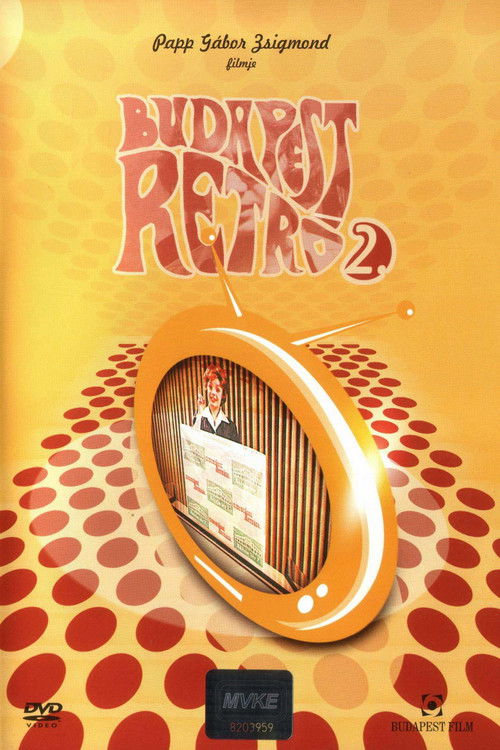
Budapest Retro 2.
2003
No user ratings available yet
Representation score: 4.1 out of 10
No Poster Available
Representation Score
Good
1971
Director
István Szabó
Average Rating
No ratings yetNew Showbiz Analysis
István Szabó’s *Tér* is a modernist exploration of individual subjectivity and the conflict created by social conformity. It excels as a psychological study of how individuals navigate the rigid structures of mid-century Budapest. However, the film lacks demographic diversity. Its narrative is deeply localized, resulting in a homogeneous cast and a lack of representation for LGBTQ+ identities or various disabilities. Ultimately, the film prioritizes intellectual and emotional landscapes over broad social inclusivity, making it a specialized character study rather than a diverse ensemble piece.
Category Breakdown
The film focuses on heterosexual relationships and social norms. It does not depict same-sex intimacy or non-cisgender identities.
Gender roles are shown with psychological complexity rather than strict hierarchies. Interactions between men and women highlight mutual social negotiation and intricate personal dynamics.
The cast is predominantly homogeneous, reflecting the socio-cultural context of 1970s Budapest. It lacks diverse casting and characters who reflect more than one aspect of diversity.
The film explores the tension between individual ability to act and state-driven social institutions. It critiques conformity and the impact of systemic pressures.
There are no prominent depictions of physical or neurodivergent disabilities. Character development focuses on existential isolation and internal psychological states.
Present on Screen
Limited or Absent
2003

1929
1979
1978

1976

2010
1956
1965
No reviews yet. Be the first to share your thoughts on this movie!
Use the rating form above to leave a star rating and optional review.