Chithram
1988
No user ratings available yet
Representation score: 3.5 out of 10
Representation Score
Minimal
1987
Director
Jandhyala Subramanya Sastry
Runtime
147 minutes
Average Rating
No ratings yetNew Showbiz Analysis
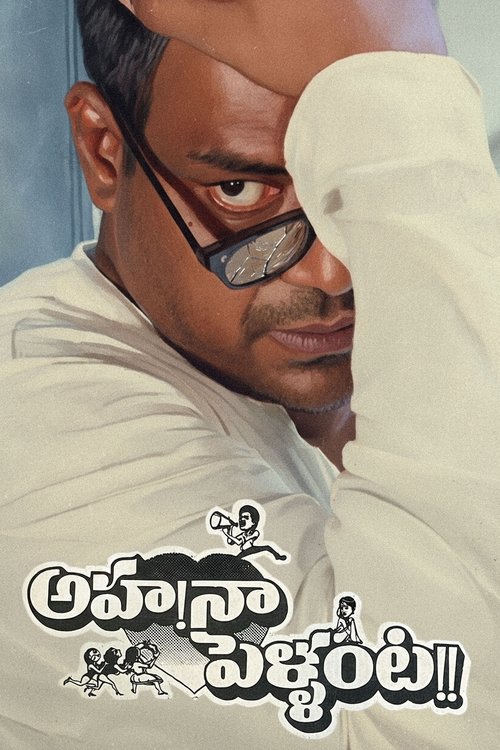
Aha Naa Pellanta! captures the essence of late-20th-century Telugu comedy, emphasizing character-driven humor rather than social subversion. The film reinforces existing social and domestic hierarchies through its traditional narrative structure. While the film offers a localized critique of materialism and class vanity, it does not delve into broader socio-political issues. The focus remains on individual deception and romantic pursuits within established social frameworks. Ultimately, the work lacks the complexity needed for a higher diversity rating, serving primarily as a reflection of its specific era.
Category Breakdown
The film does not include any LGBTQ+ characters or non-cisgender identities. The romantic storyline follows a traditional heterosexual structure typical of 1980s regional cinema.
The film upholds traditional gender roles where the male protagonist leads the narrative through his own actions and strategic deceptions. Women have some parity in verbal interactions but play less central roles.
The cast reflects a culturally homogeneous South Indian community. The film provides an authentic depiction of regional identities without using race-bending or multi-layered casting.
The story pokes fun at class pretension and the superficiality of wealth. However, these themes serve as comedic devices rather than deep critiques of social or religious institutions.
The film does not depict any visible or invisible disabilities. Characters with disabilities are not used as plot devices within the main narrative.
Present on Screen
Limited or Absent
Official Synopsis
Krishna Murthy, the son of a rich industrialist, falls in love with Padma, the daughter of a greedy miser. To win her heart and teach her father a lesson, Krishna acts like a greedy miser.
1988

2020

2016
1991
1962
1988

2002
1996
No reviews yet. Be the first to share your thoughts on this movie!
Use the rating form above to leave a star rating and optional review.