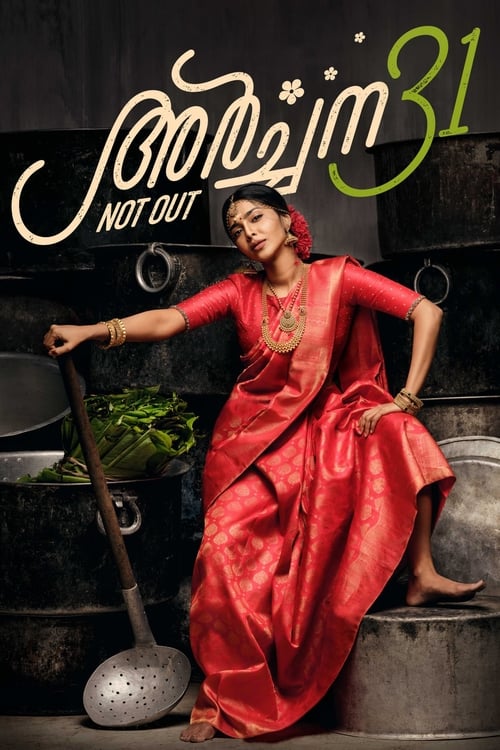
Archana 31 Not Out
2022
No user ratings available yet
Diversity score: 3.8 out of 10
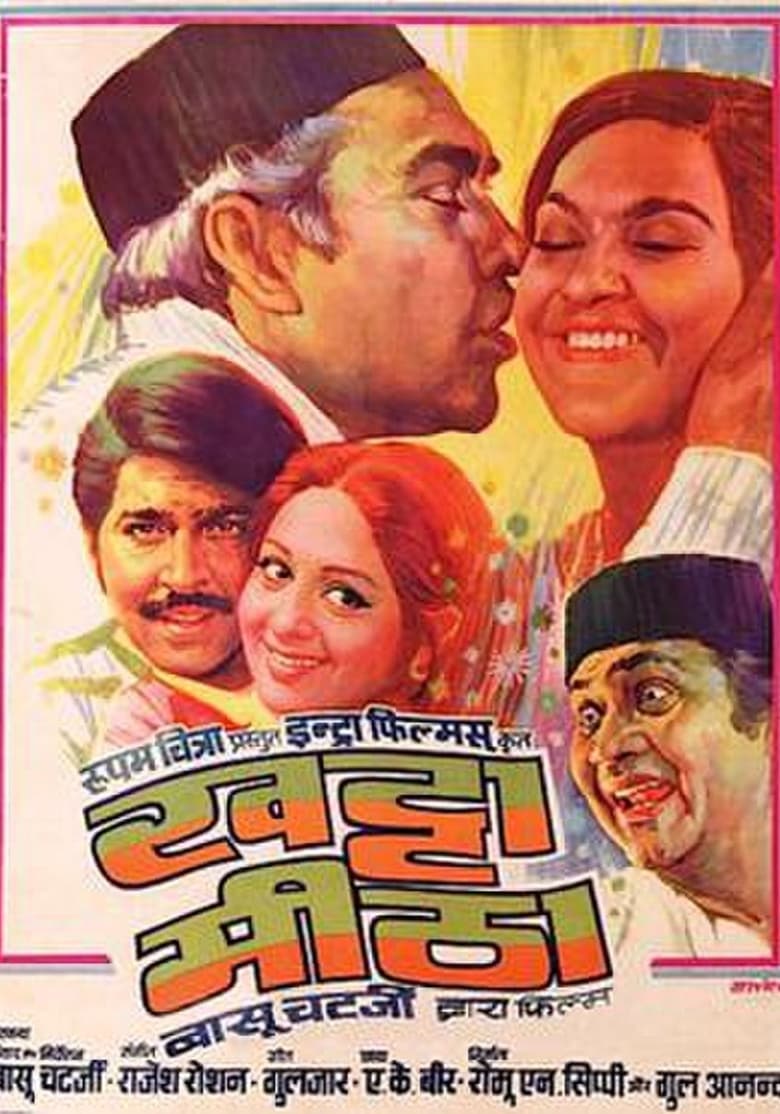
1978
Director
Basu Chatterjee
Runtime
129 minutes
Average Rating
No ratings yetSynopsis
Homi Mistry (Ashok Kumar) has been a widower for several years now, and looks after his four sons, their small house, and a job at the factory. Nargis Sethna has been widowed; is a housewife, has two sons and a daughter, and a large house. Then Soli (David), Nargis' and Homi's friend, suggests that the two get married, then at least the children will have a mother and father, as well as a larger house. They do get married, and hilarious chaos results, as the family and the children try to accomodate each other and fit in with their new family and surroundings.
Overall Score
Fair
Category Breakdown
LGBTQ+ Representation
The film lacks any evidence of non-heteronormative identities. It adheres to the traditional social structures and marriage norms of 1970s India.
Gender Representation
Gender roles appear rooted in the domestic sphere. The narrative focuses on the tensions inherent in a blended household rather than subverting patriarchal hierarchies.
Racial & Ethnic Diversity
The cast is predominantly South Asian, reflecting the localized cultural identity of regional realist cinema. It maintains the ethnic homogeneity typical of its era.
Religious & Cultural Diversity
The story challenges the singular nuclear family model by exploring the friction of a blended household. It offers a nuanced look at domestic negotiation.
Disability Representation
There is no documented inclusion of characters with physical or neurodivergent disabilities within the film's narrative.
Strengths
Areas for Improvement
AI Analysis
Basu Chatterjee’s work provides a realistic look at the Indian middle class, moving away from the heightened melodrama of mainstream Bollywood. The film's strength lies in its social realism and its willingness to deconstruct the idealized, harmonious family unit. However, the film remains limited by the social norms of its time. It lacks representation for LGBTQ+ individuals and characters with disabilities, and the gender dynamics appear confined to traditional domestic roles. Ultimately, the film serves as a character study of domestic integration. It finds its progressive edge through the comedic friction of merging disparate family histories rather than through overt identity politics.
2022
2022
1979
2022

1986
2017

1968
2017

2022

2013

1996
1985
No reviews yet. Be the first to share your thoughts on this movie!
Use the rating form above to leave a star rating and optional review.