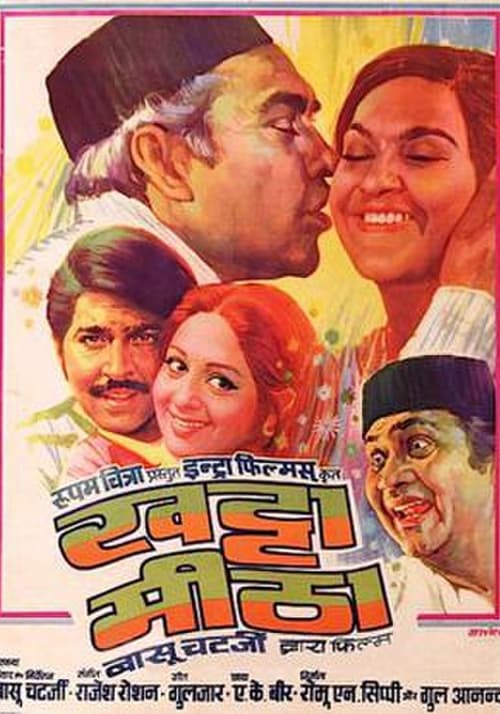
Khatta Meetha
1978
No user ratings available yet
Representation score: 3.3 out of 10
Representation Score
Minimal
1983
Director
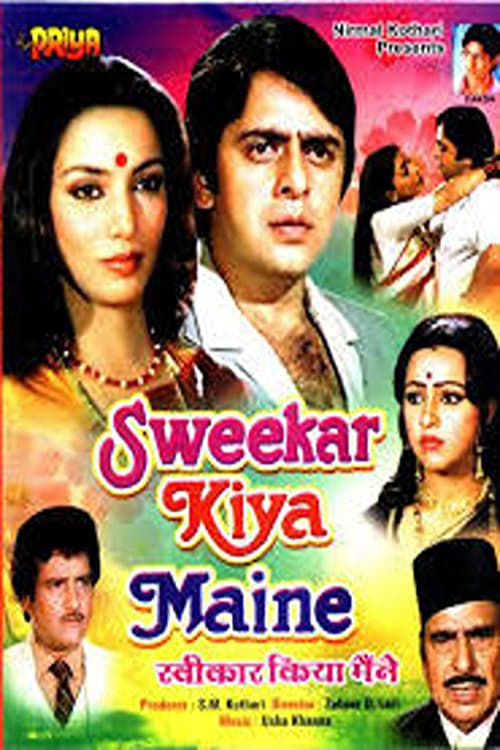
Zaheer D. Lari
Runtime
137 minutes
Average Rating
No ratings yetNew Showbiz Analysis
Sweekar Kiya Maine follows the established melodramatic clichés of 1980s Bollywood. It emphasizes emotional storytelling and class-based obstacles over systemic critique or progressive representation. The portrayal of ability to act is limited to the protagonist's ability to endure hardship. While Gopika navigates a hostile environment, her actions often serve to conform to social necessities rather than challenge them. Ultimately, the narrative reinforces the social status quo of its era, focusing on individual morality and traditional archetypes rather than structural reform.
Category Breakdown
The film does not include any LGBTQ+ characters or non-straight relationships. The plot revolves around a simulated marriage used for social survival, reinforcing traditional heterosexual norms.
Gopika shows strength through her singing ambitions and urban survival. However, her resilience is framed as sacrificial, and male characters maintain traditional protector roles.
The cast is uniform, reflecting mainstream Indian demographics of the 1980s. The film focuses on internal class distinctions rather than ethnic or racial diversity.
The story examines middle-class socioeconomic tensions and urban hardships. It adheres to the moral standards of the time, emphasizing individual perseverance and social standing.
The film does not portray any visible or invisible disabilities as central to the character arcs or the driving narrative forces.
Present on Screen
Limited or Absent
Official Synopsis
Gopika Sharma lives a middle-classed lifestyle along with her widowed mother in Bangalore. She expresses a desire to sing and is encouraged by her maternal uncle, Dubey, who takes her with him to Bombay along with her maid, Lajjo. Once there, they are molested and Dubey goes missing. They then attempt to find a decent place to live, and after many frustrations make an agreement with a single male, Kishankumar Shukla, who poses as Gopika's husband, and move into an apartment owned by Lala Dhaniram.
1978

2003

1988

2018
1988

1999
2003

2015
No reviews yet. Be the first to share your thoughts on this movie!
Use the rating form above to leave a star rating and optional review.