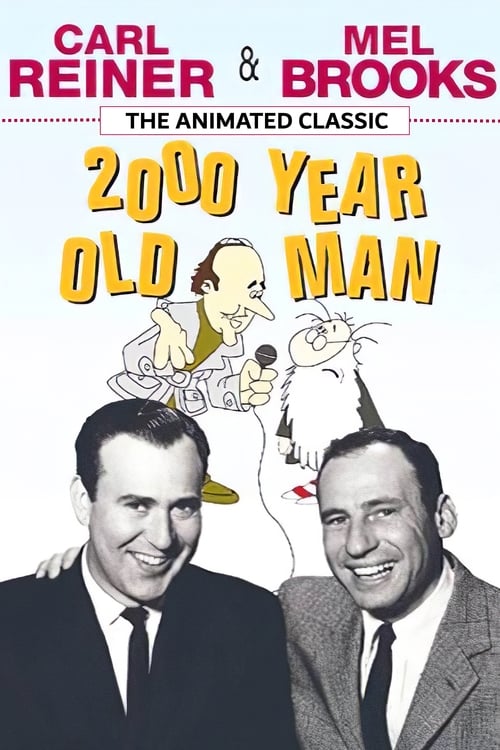
The 2000 Year Old Man
1975
No user ratings available yet
Representation score: 5.7 out of 10
Representation Score
Limited
1963
ApprovedDirector
Ernest Pintoff
Runtime
4 minutes
Average Rating
No ratings yetNew Showbiz Analysis
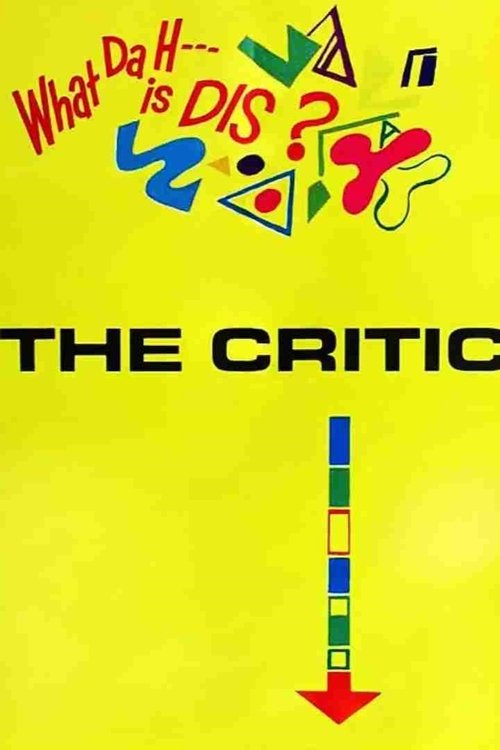
The Critic is a minimalist character study that emphasizes satirical critique rather than demographic representation. Reflecting the era's cinematic limitations, the film offers limited multi-layered inclusion. Though the film does not broadly address systemic identity issues, it subtly disrupts social norms. By focusing on the absurdity of specialized knowledge, it effectively critiques intellectual elitism.
Category Breakdown
The film does not include any LGBTQ+ characters or explore non-straight identities. The story centers on a traditional relationship between two main figures.
The film features a male critic and a female companion. While the critic dominates the conversation, the movie challenges the stereotype of the competent male by presenting his intelligence as absurd and disconnected from society.
The simple animation style avoids showing physical features, making it impossible to depict race explicitly. The setting reflects a uniform, mid-century urban environment without multicultural elements.
The satire targets intellectual pretension and academic discussions. It mocks institutional authority by ridiculing the critic's reliance on jargon and his detachment from art.
There are no visible or implied representations of physical, sensory, or neurodivergent disabilities. The characters are shown as typical urban residents without disabilities.
Present on Screen
Limited or Absent
Official Synopsis
An old man at the movies narrates over an abstract cartoon with vocal displeasure, to the annoyance of his fellow audience members.
1975

1979
1959
1968
1956
1958
1969
1963
No reviews yet. Be the first to share your thoughts on this movie!
Use the rating form above to leave a star rating and optional review.