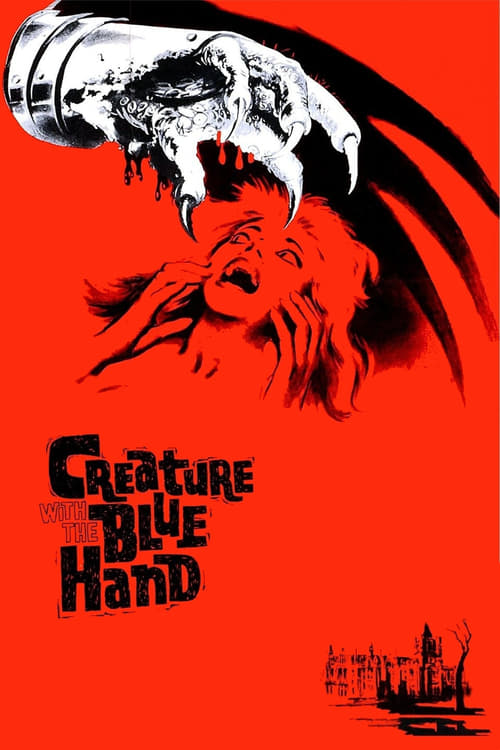
Creature with the Blue Hand
1967
No user ratings available yet
Representation score: 3.0 out of 10
Representation Score
Limited
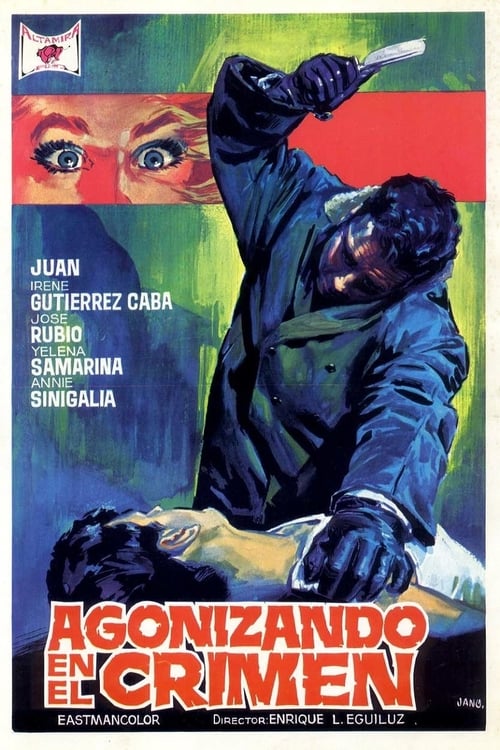
1968
Director
Enrique López Eguiluz
Runtime
85 minutes
Average Rating
No ratings yetNew Showbiz Analysis
Agonizing in Crime is a mid-century Mexican genre piece that prioritizes traditional horror and crime clichés over social critique. The narrative structure is centered on a male protagonist's personal tragedy, using a female character's death to drive his psychological development. The film relies on established genre mechanics, such as body horror, to create tension. These elements often reinforce conventional hierarchies and standard dramatic structures rather than exploring diverse perspectives. Ultimately, the work functions as a period-specific melodrama, adhering to the social and narrative frameworks of its era without challenging or expanding upon them.
Category Breakdown
The story centers on a heterosexual marriage and the male protagonist's grief. There are no non-straight or non-cisgender identities explored, nor is there any critique of the assumption that everyone is straight or cisgender.
The narrative follows traditional gender roles where a female character serves as a catalyst for the male lead's psychological journey. This reinforces the gender hierarchy common in mid-century melodramas.
Set in Mexico, the film establishes its setting but does not provide specific details about racial composition. The music reflects a standard expectation of period-specific homogeneity.
The film operates within typical moral frameworks of 1960s genre cinema. It lacks any systemic critique or deconstruction of Western institutions.
Physical mutilation is used as a horror device rather than a portrayal of lived experience. The amputation of hands serves as a source of terror within the plot.
Present on Screen
Limited or Absent
Official Synopsis
The same day of their marriage, Jean's wife dies of a strange ailment in the middle of surgery. Afflicted by the loss, the young man abandons his medical studies and takes refuge in the memories of his time of courtship. At the same time that this happens, a wave of murders shakes the city with the same pattern of behavior: the victims are surgery students whose bodies have had both hands amputated.
1967
1972

1967
1987

1975

1935

1983

1988
No reviews yet. Be the first to share your thoughts on this movie!
Use the rating form above to leave a star rating and optional review.