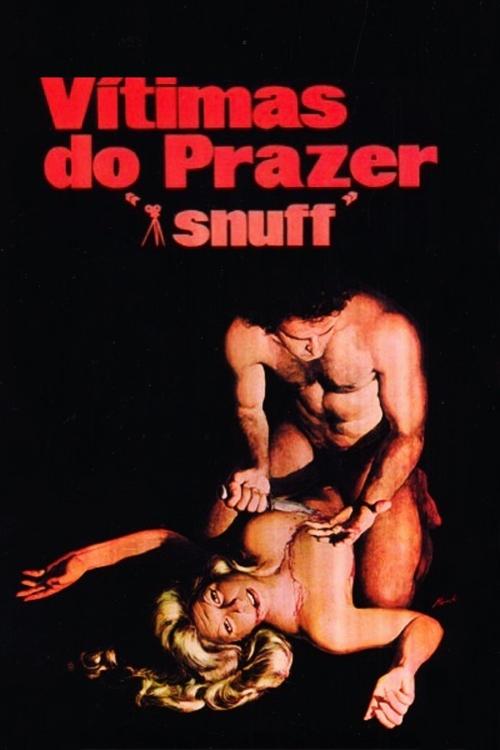
Snuff, Victims of Pleasure
1977
No user ratings available yet
Representation score: 4.4 out of 10

Representation Score
Fair
1975
Director
Pedro Luis Ramírez
Runtime
110 minutes
Average Rating
No ratings yetNew Showbiz Analysis
School of Death serves as a harsh critique of corrupt institutions and the misuse of authority. It disrupts traditional views of institutional benevolence by framing social structures as predatory. However, the film struggles with representation, relying on traditional clichés regarding physical disfigurement and lacking explicit LGBTQ+ or racial diversity. The narrative focus remains heavily centered on the victimization of women within a patriarchal framework.
Category Breakdown
The film does not include any explicit LGBTQ+ characters or narratives. The story revolves around a predatory relationship between matrons and a doctor, with no visible queer subtext or identity-driven arcs.
Female characters are mainly portrayed as victims within a patriarchal medical system. Sadistic matrons subvert traditional maternal roles, while the orphans have very little control over their circumstances as experimental subjects.
There is no evidence of intentional multiculturalism or race-bent casting. The film likely reflects the demographic norms of 1975, though specific ensemble details are not provided.
The film challenges the idea of Western institutions as sanctuaries by depicting an orphanage as a place of human trafficking. It portrays medical authority as a tool of oppression rather than progress.
Physical disfigurement is a central theme, but it risks using differences as markers for villainy. The film explores the vulnerability of subjects under systemic control.
Present on Screen
Limited or Absent
Official Synopsis
Girls of a corrupt orphanage are being sold by the sadistic matrons to a badly disfigured doctor. His sinister motive is to use the girls as guinea pigs in his experimental brain surgeries.
1977
1960

1983
1976
1968
1982
1975
2004
No reviews yet. Be the first to share your thoughts on this movie!
Use the rating form above to leave a star rating and optional review.