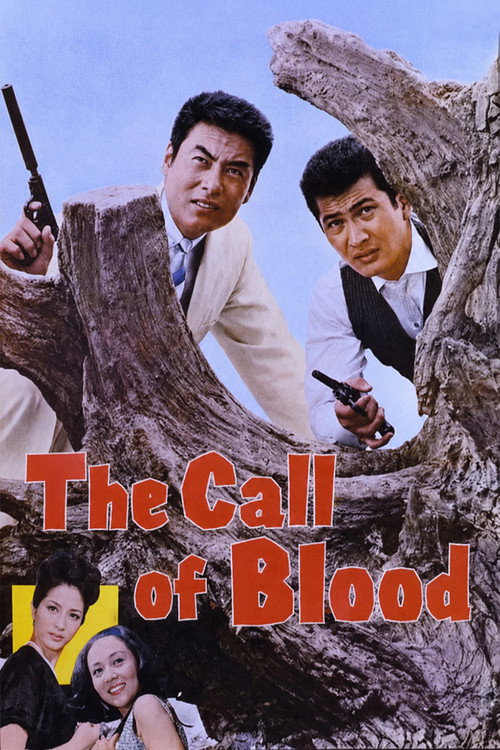
The Call of Blood
1964
No user ratings available yet
Representation score: 1.9 out of 10

Representation Score
Minimal
1991
Director
Teruo Ishii
Runtime
93 minutes
Average Rating
No ratings yetNew Showbiz Analysis
The Hitman: Blood Smells Like Roses is a specialized genre piece that follows traditional narrative structures. It primarily serves as a character study of vengeance within a conventional crime framework. While the film lacks diversity in terms of gender and LGBTQ+ representation, it provides a thematic critique of organized crime. By depicting the yakuza as a destabilizing force rather than a romanticized brotherhood, it adds a layer of social commentary. Overall, the film's demographic landscape is constrained by its historical and cultural context, emphasizing stylistic intensity and genre conventions over inclusive representation.
Category Breakdown
The film does not include any LGBTQ+ characters or narratives. The main storyline revolves around the death of a fiancée, presenting a traditional romantic perspective.
The story focuses on a male protagonist's quest for revenge. Female characters are portrayed as passive catalysts for the plot rather than having their own active roles.
Given that it is a Japanese production centered on domestic yakuza activities, the cast is likely to be ethnically homogeneous. The film does not aim to diversify its setting.
The film critiques the idealized view of criminal brotherhood by showing yakuza turf wars as senseless destruction. It examines the tension between personal morality and corrupt social structures.
There is no information available regarding the portrayal of physical or neurodivergent disabilities within the film.
Present on Screen
Limited or Absent
Official Synopsis
After his fiancée is killed in the crossfire of a yakuza turf war, a man on the edge remorselessly hunts down the gangsters responsible.
1964
2017
1964

1973
2010

1995

1971
1999
No reviews yet. Be the first to share your thoughts on this movie!
Use the rating form above to leave a star rating and optional review.