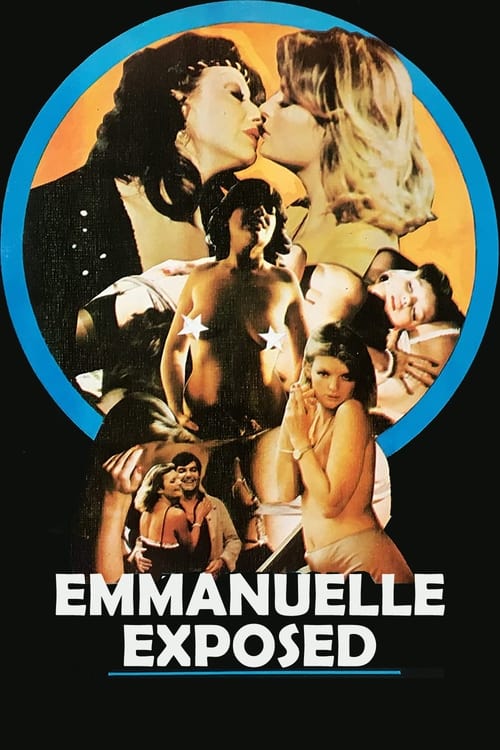
The Inconfessable Orgies of Emmanuelle
1982
No user ratings available yet
Representation score: 3.0 out of 10

Representation Score
Minimal
1975
Director
Georges Friedland, Jesús Franco
Runtime
85 minutes
Average Rating
No ratings yetNew Showbiz Analysis
A Virgin for St. Tropez functions as a period-specific artifact of European erotic cinema. It operates within the established cultural norms of the 1970s, prioritizing genre-driven escapism over systemic critique or multi-layered storytelling. The film adheres to traditional hierarchies, particularly regarding gender and race. The narrative structure favors voyeuristic clichés and a homogeneous, Eurocentric cast typical of the era's leisure-oriented dramas. Ultimately, the work lacks the complexity required to disrupt social structures. It remains a product of its time, focusing on individualistic pursuits rather than diverse or challenging perspectives.
Category Breakdown
The film focuses on heterosexual relationships and does not include any representation of LGBTQ+ identities or narratives that challenge traditional sexual norms.
Maria drives the initial plot, but her role is tied closely to her romantic relationship. The film relies on 1970s genre clichés that prioritize male voyeurism.
The cast appears homogeneous, reflecting the Eurocentric depictions common to mid-century erotic dramas. There is no evidence of significant racial diversity or non-white characters with substantial roles.
The story sets itself in a wealthy, leisure-oriented Mediterranean setting for hedonistic escapism. It avoids complex cultural critiques, focusing instead on individual sexual pursuits within a consumerist backdrop.
There is no discernible presence of characters with physical or neurodivergent disabilities within the narrative.
Present on Screen
Limited or Absent
Official Synopsis
Maria, a beautiful young woman, runs away from home with her older lover, across the Spanish border to St-Tropez, France. He says they will be meeting friends and getting married soon but instead they break into a house make love, stay the night and plan to come back later to rob the house, during which things go awry and secrets come out.
1982

1969

1987

1974
1979
1973
1973

1973
No reviews yet. Be the first to share your thoughts on this movie!
Use the rating form above to leave a star rating and optional review.